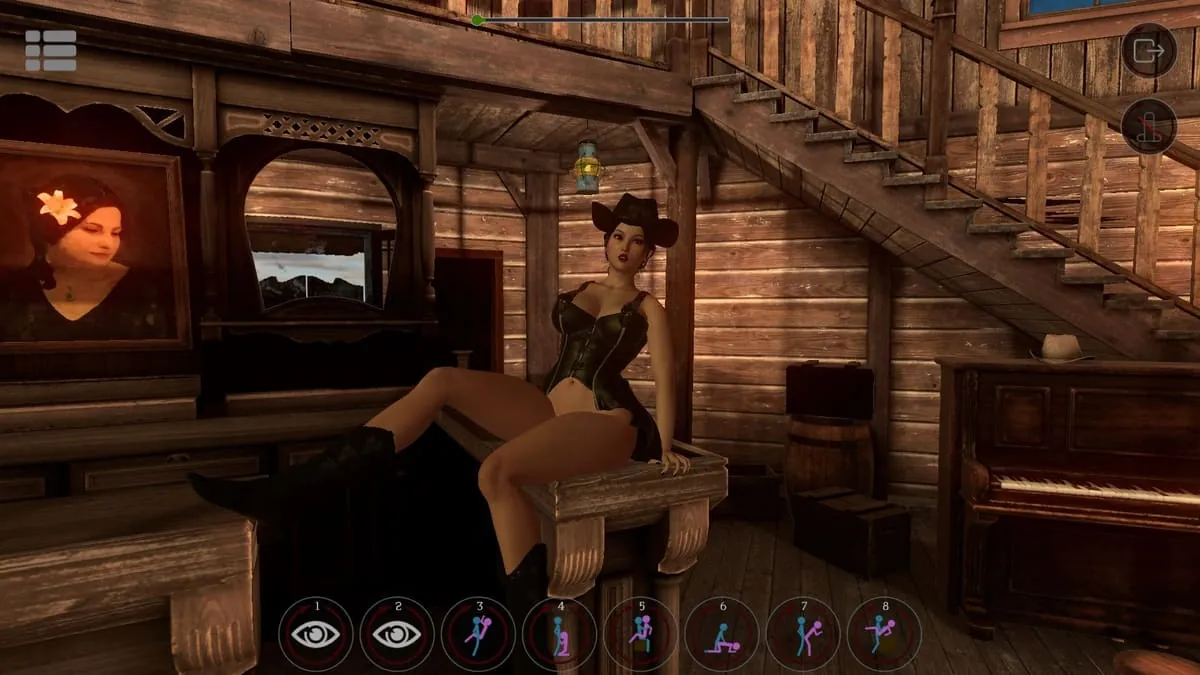
Play Treasure of Nadia
Treasure of Nadia Screenshots


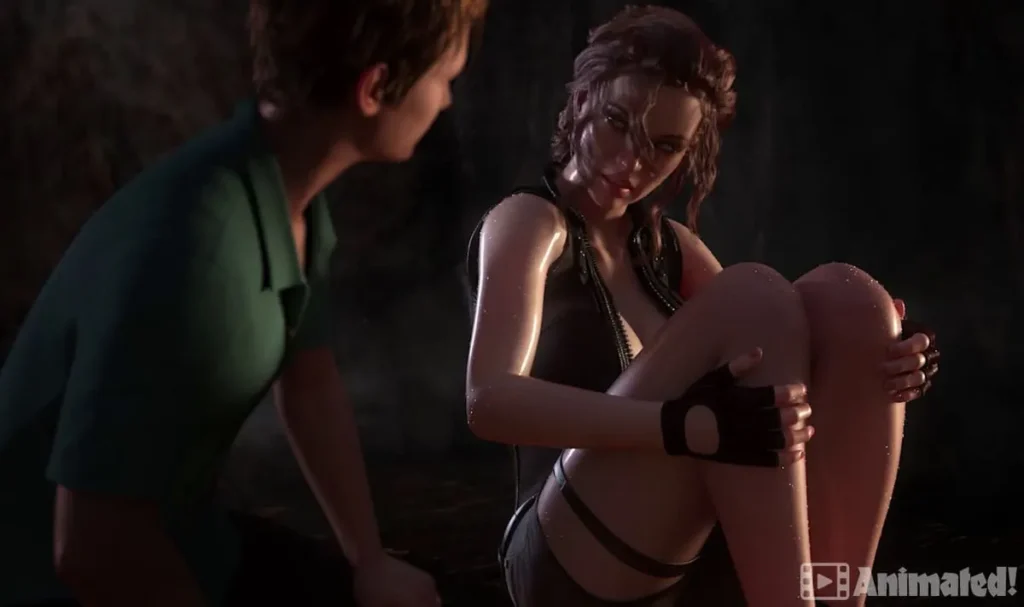

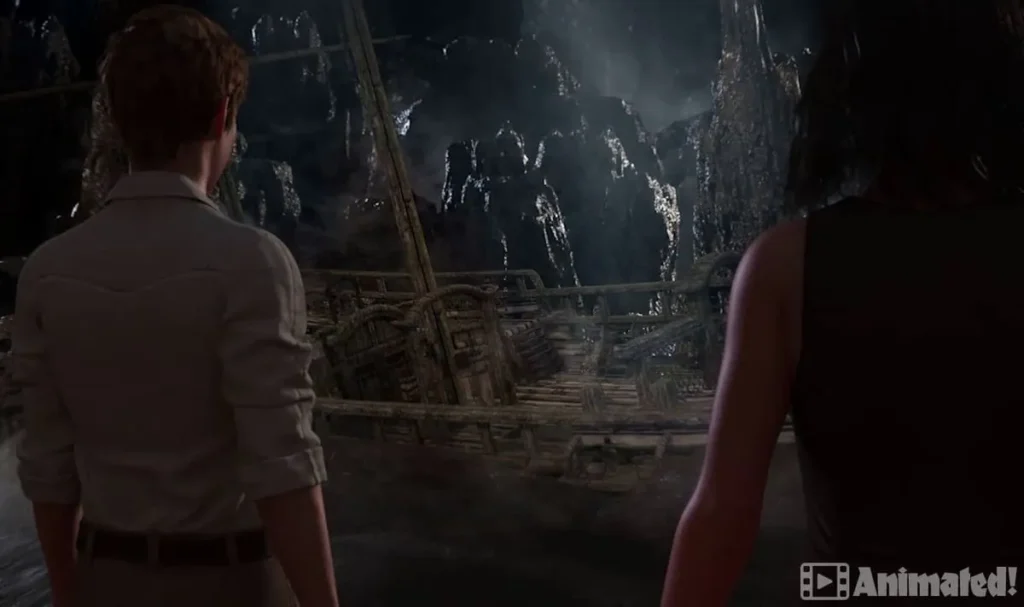

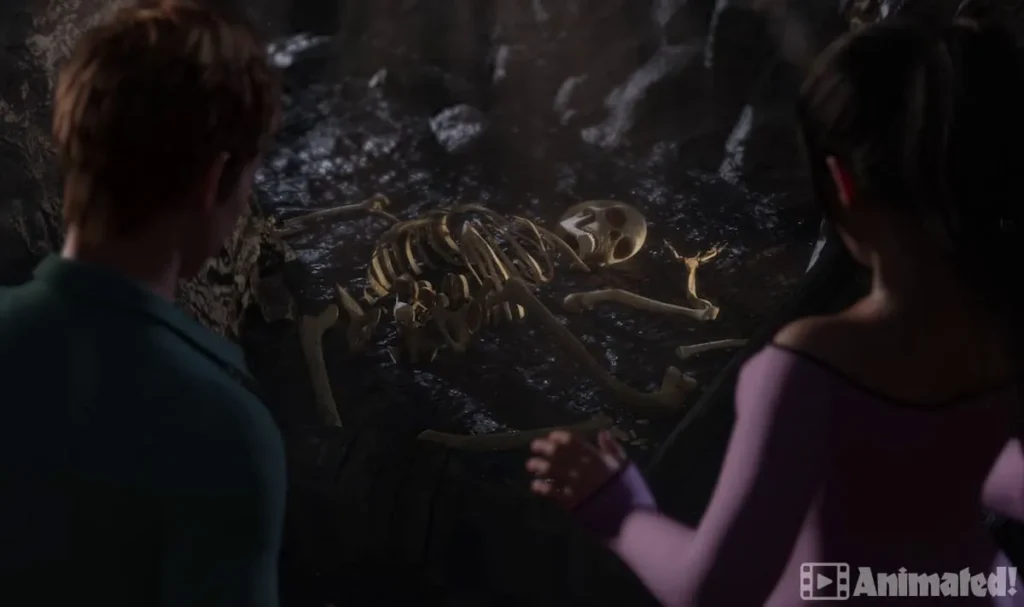


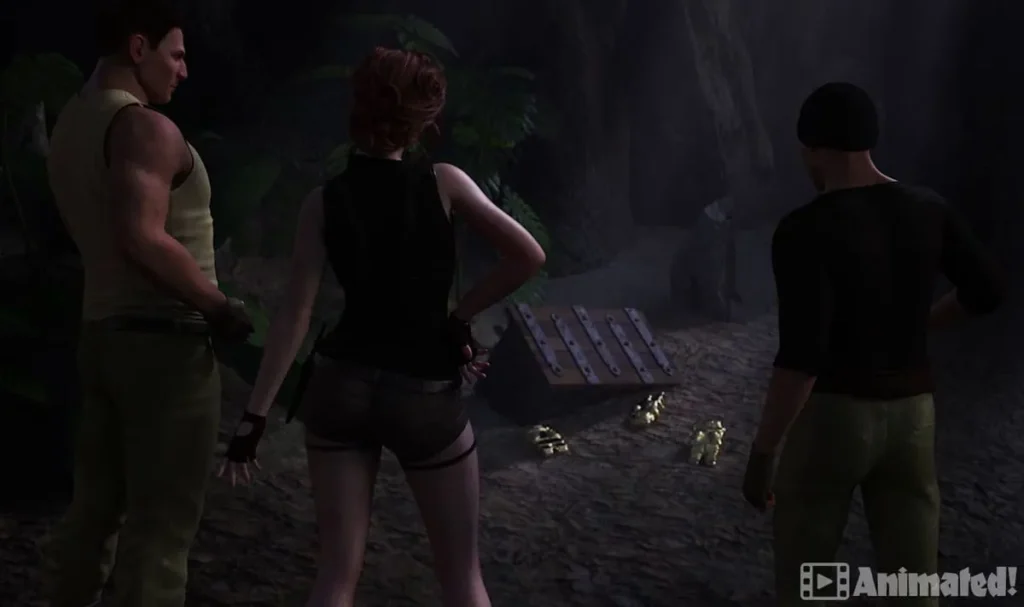





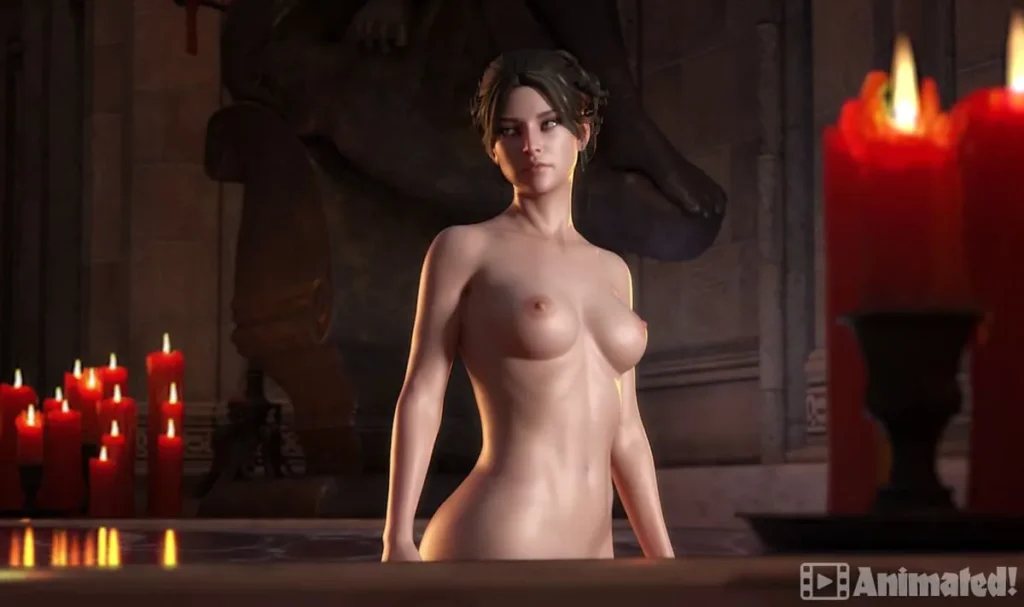


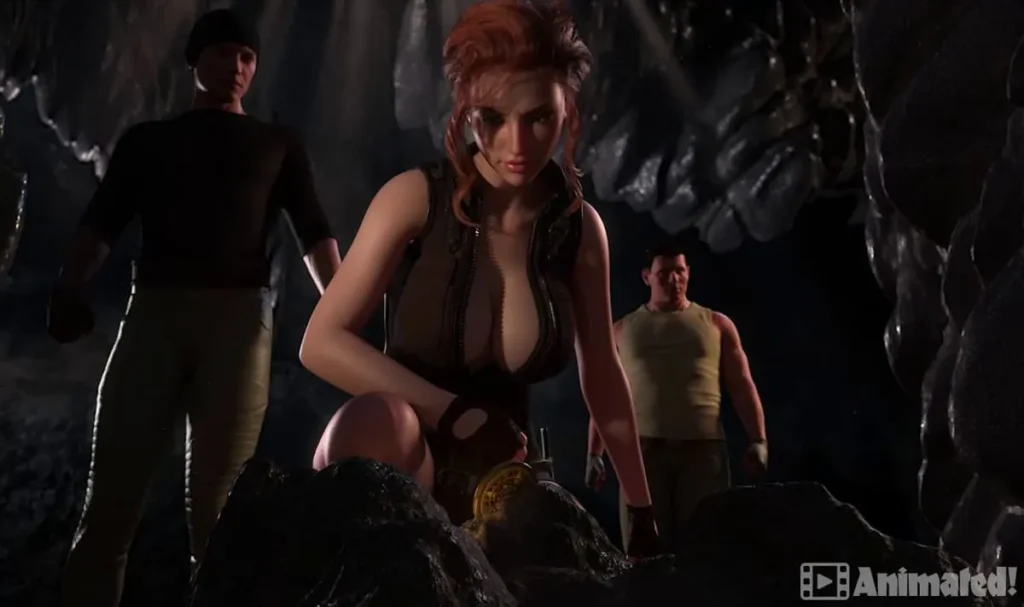
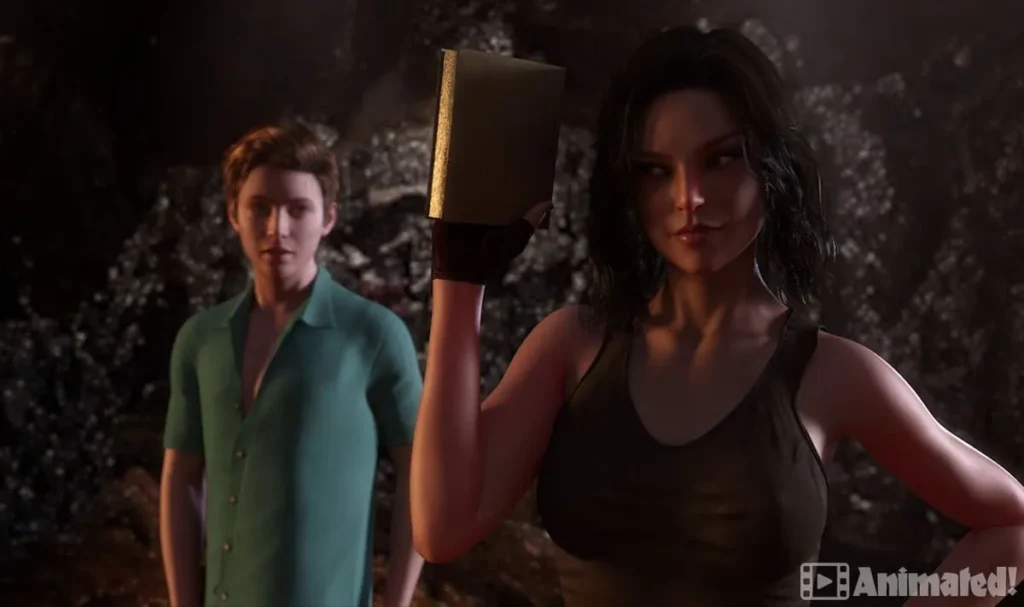
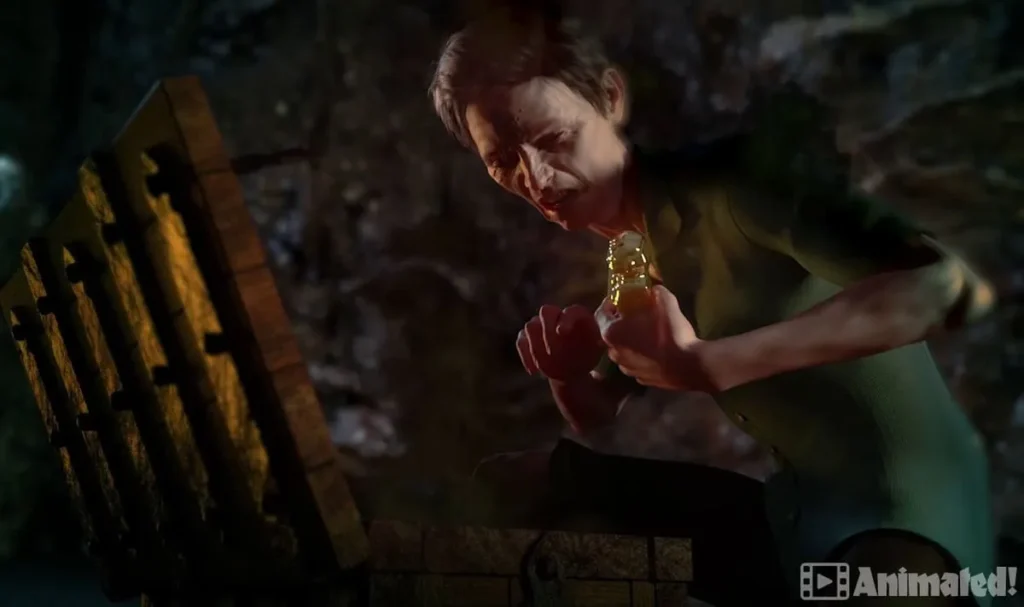




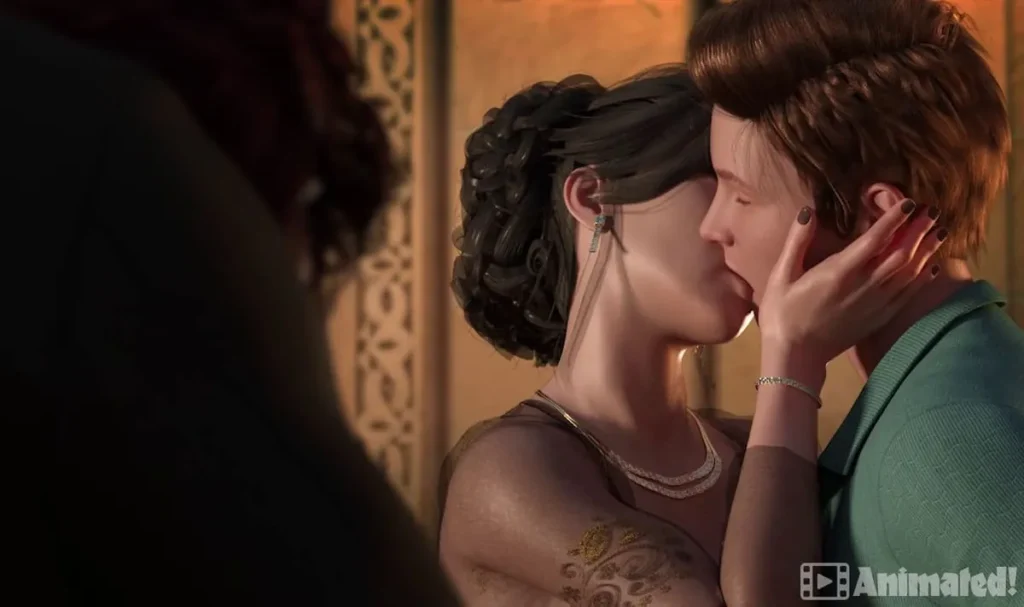
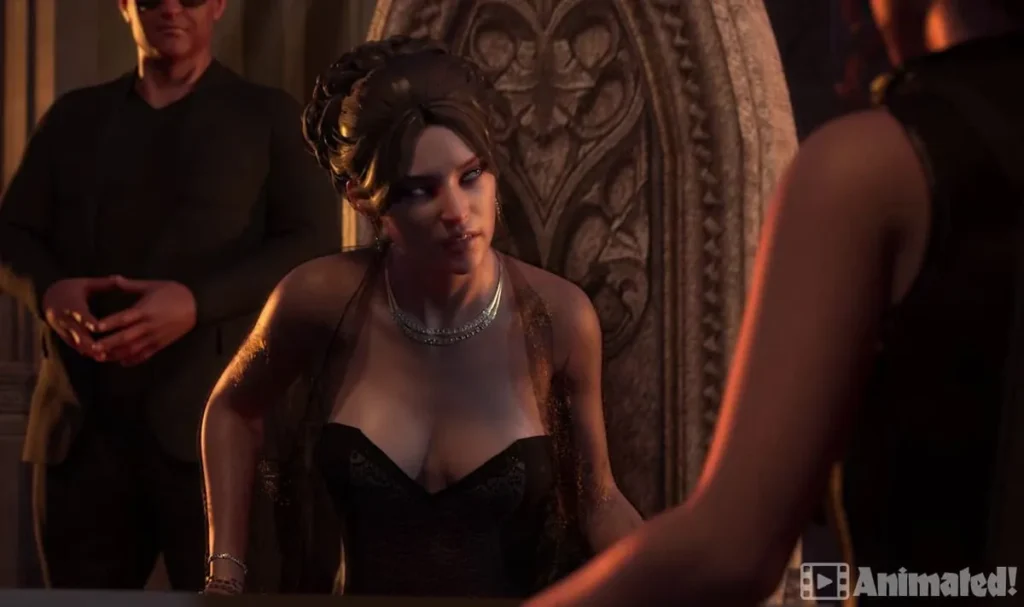
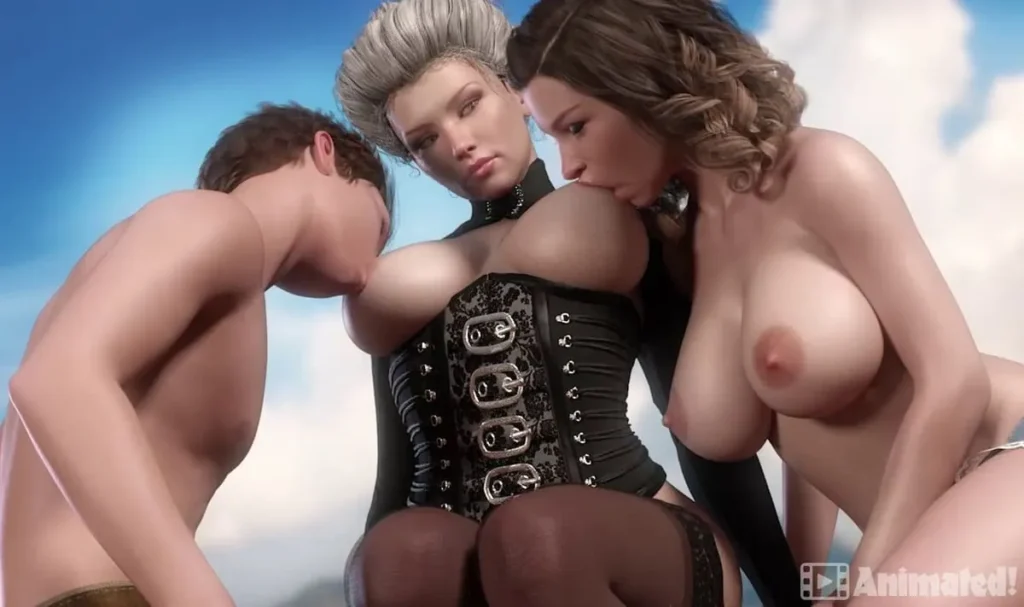



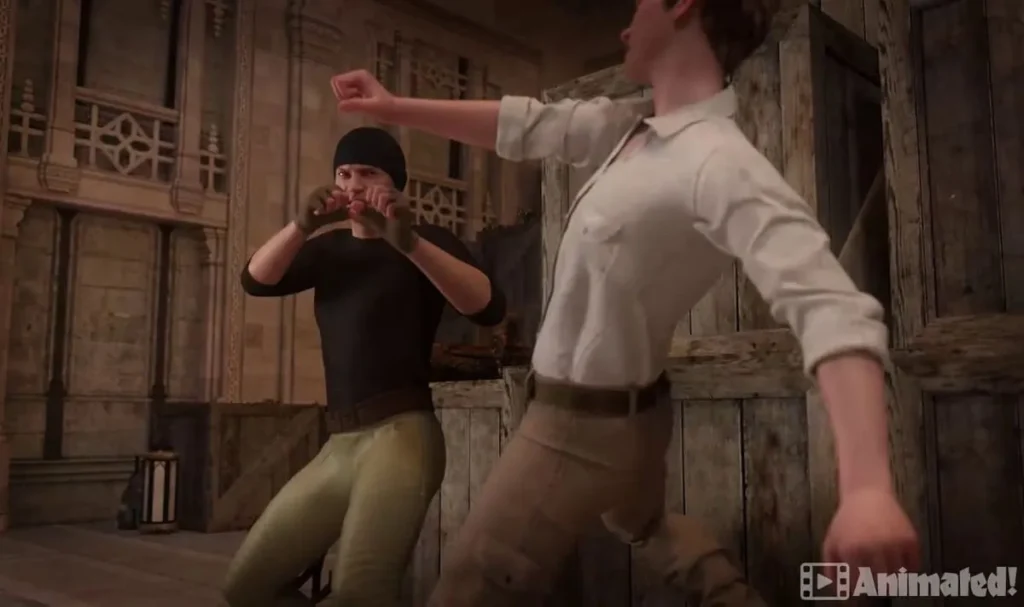



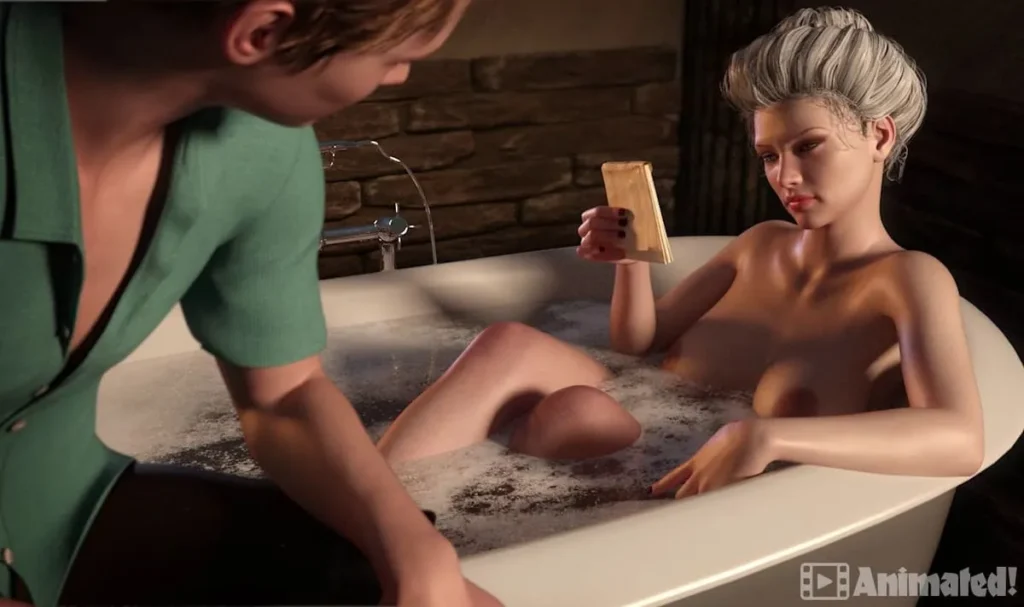



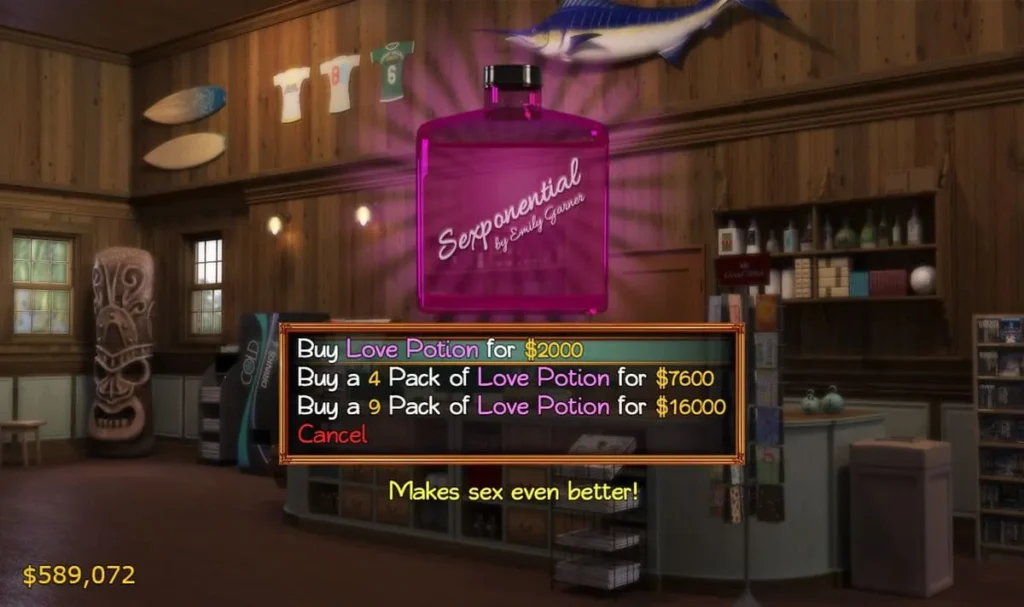




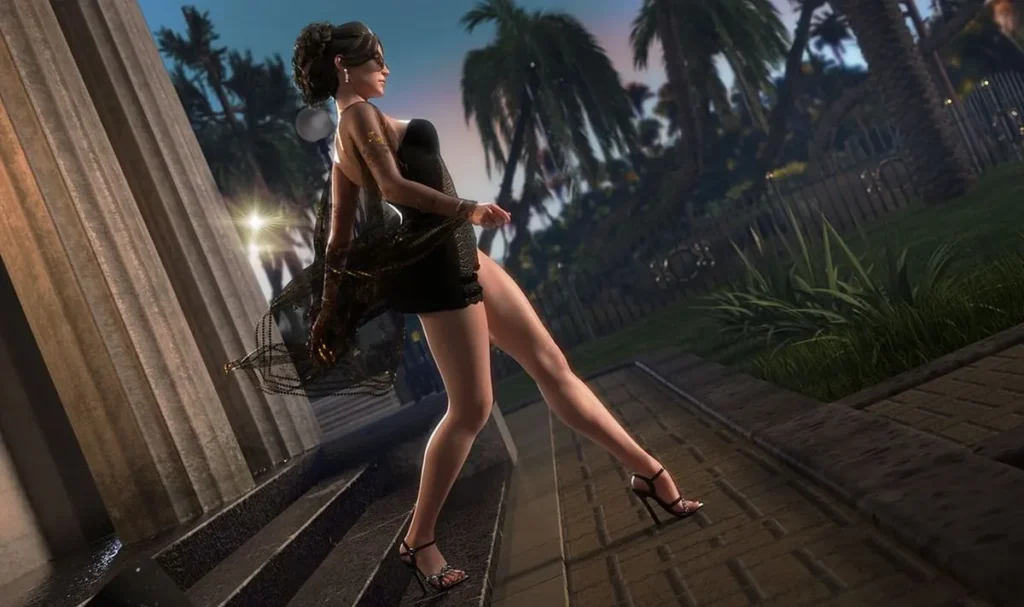
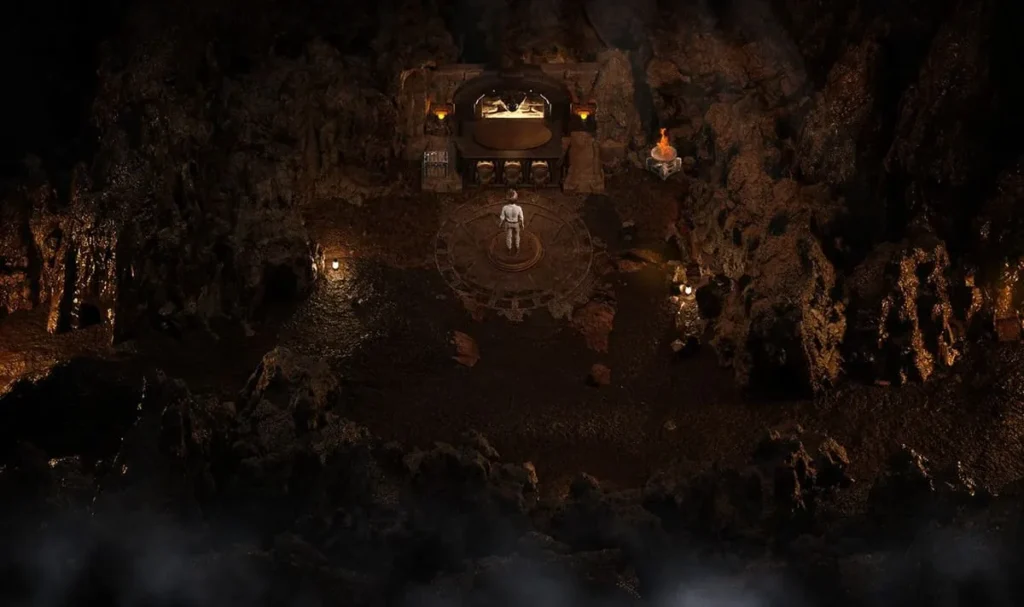
Treasure of Nadia review
Explore gameplay mechanics, story elements, and what makes this adult visual novel stand out
Treasure of Nadia has become one of the most recognized titles in its genre, combining engaging storytelling with interactive gameplay elements. This adventure blends treasure hunting, puzzle-solving, and character-driven narratives into a cohesive experience. Whether you’re curious about the game’s mechanics, story depth, or character relationships, this guide covers everything you need to know about what makes Treasure of Nadia a standout title. From exploration and crafting systems to the intricate character development paths, we’ll walk you through the key aspects that define this game’s appeal to its dedicated player base.
Gameplay Mechanics and Core Features
Let’s be real—when you first hear “adult visual novel,” you might not expect deep, engaging systems that hook you for hours. I know I didn’t. I figured I’d be clicking through a linear story. Boy, was I wrong. Treasure of Nadia gameplay mechanics are the secret sauce that transforms it from a simple story into a captivating RPG puzzle solving adventure game. It’s this rich blend of exploration, crafting, and brain-teasers that makes you forget the time, and I’m here to break down exactly how it all works. 🕹️
At its heart, the game is a brilliant hybrid. It takes the narrative drive of a visual novel and layers on top of it a surprisingly robust framework of gameplay that wouldn’t feel out of place in a classic point-and-click adventure or a light RPG. You’re not just a passive reader; you’re an active participant, managing resources, solving environmental puzzles, and guiding the protagonist, Alex, on a genuine treasure hunt. Understanding how to play Treasure of Nadia is understanding this synergy. It’s not about one dominant feature; it’s about how exploration feeds crafting, which unlocks puzzles, which advances the story in a delicious, satisfying loop.
To give you a quick snapshot of how these pillars hold up the experience, here’s a breakdown:
| Core Activity | Primary Purpose | Frequency in Gameplay |
|---|---|---|
| Exploration & Travel | Unlock new story scenes, find resources, discover puzzle locations. | Constant. The backbone of the daily gameplay loop. |
| Crafting & Inventory | Create key items to solve puzzles and access blocked areas. | Regular, triggered by finding new recipes and resources. |
| Puzzle Solving | Gate progression, reward players with treasure and story advancement. | Pervasive. Integrated into almost every new location. |
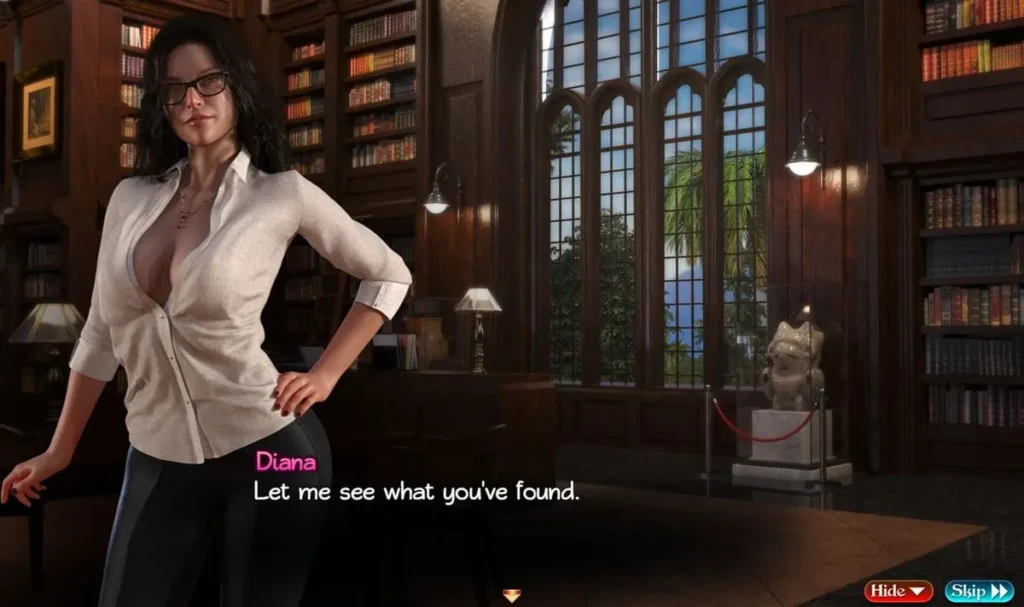
| Story & Cutscenes | Provide context, motivation, and develop character relationships. | Frequent, often the reward for successful gameplay segments. |
How Treasure of Nadia Structures Its RPG-Like Gameplay
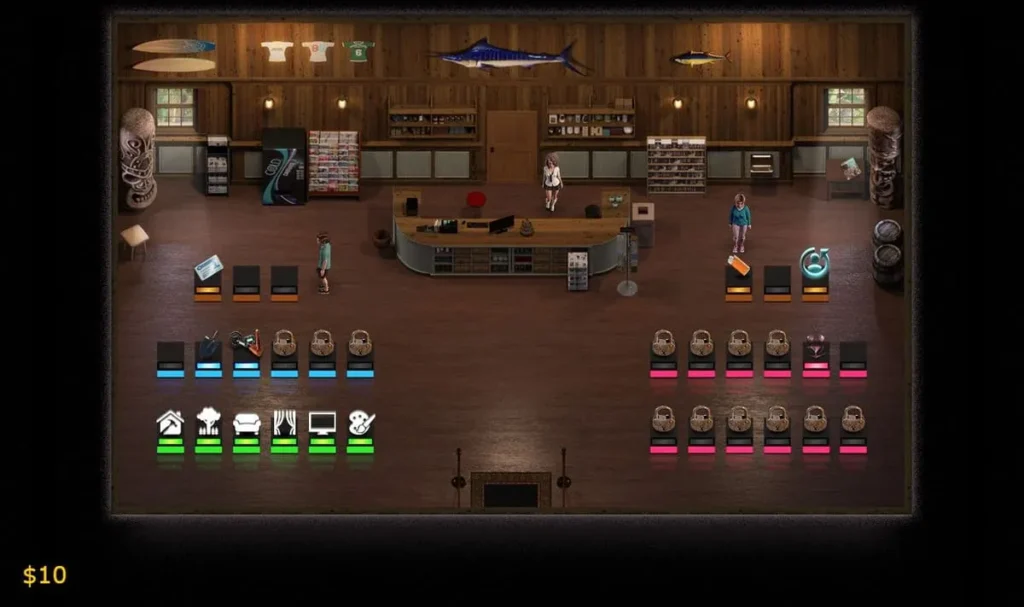
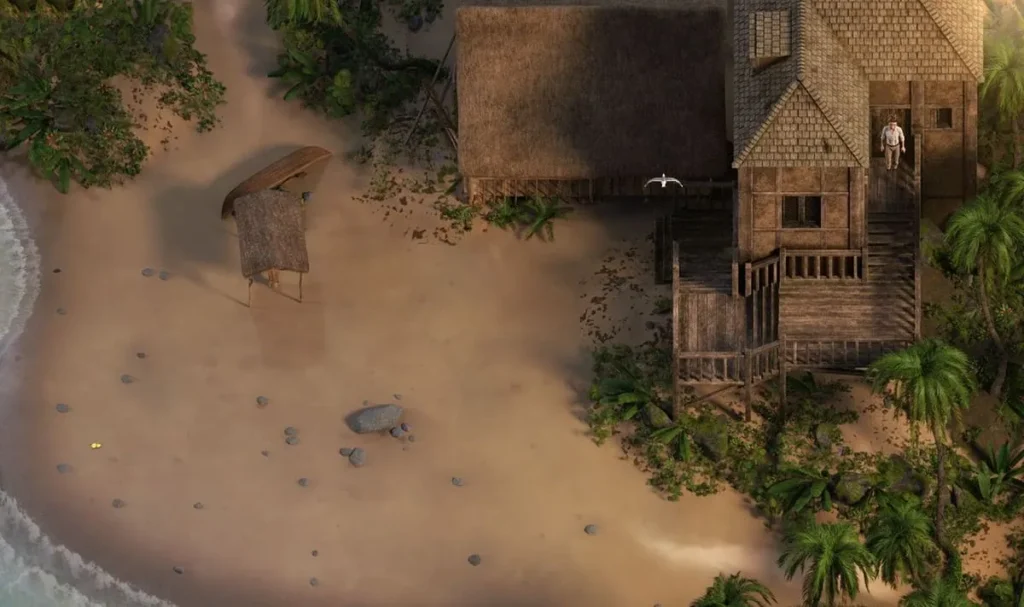
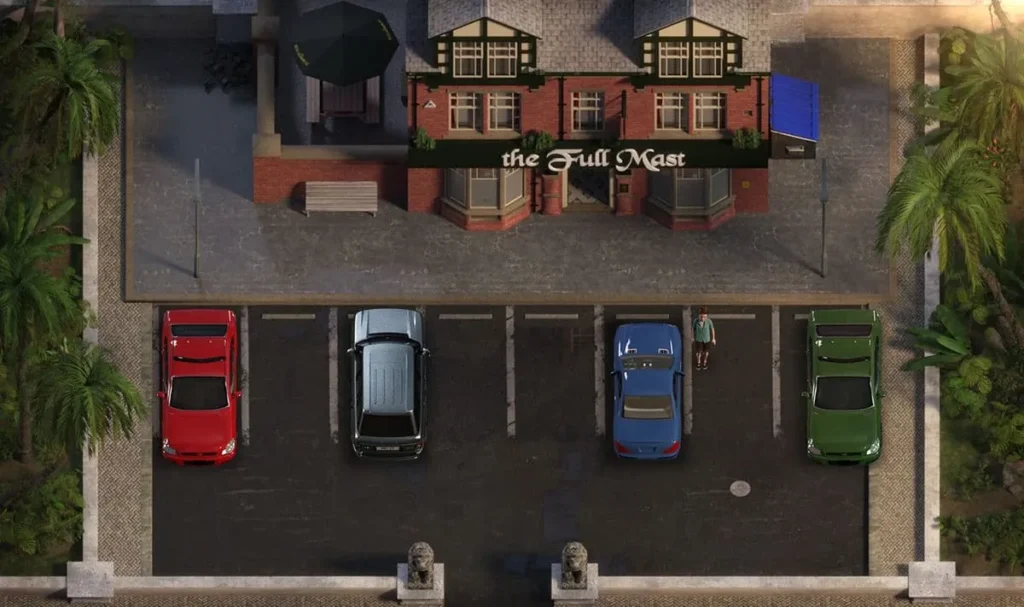
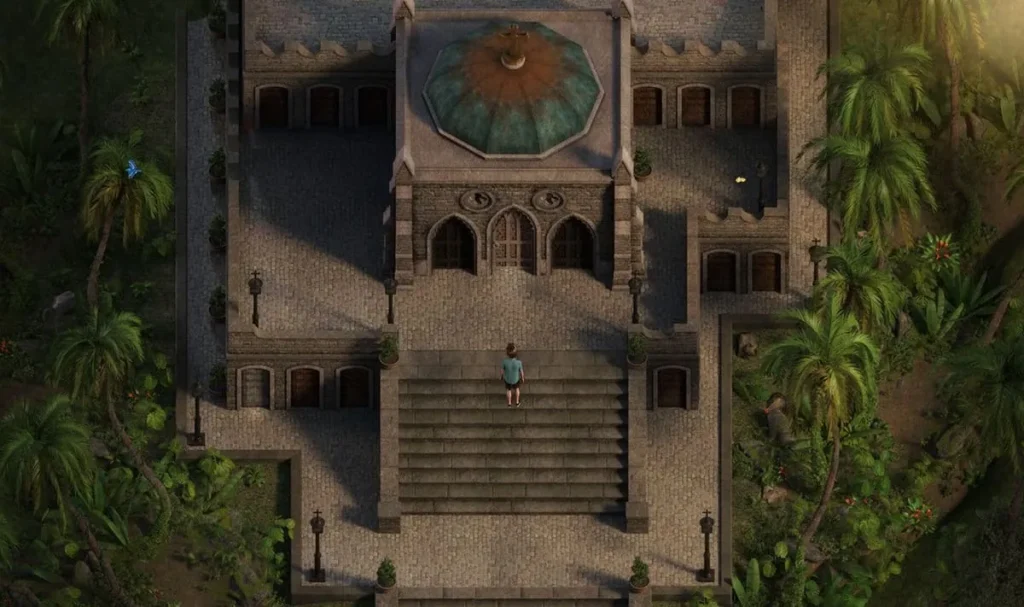
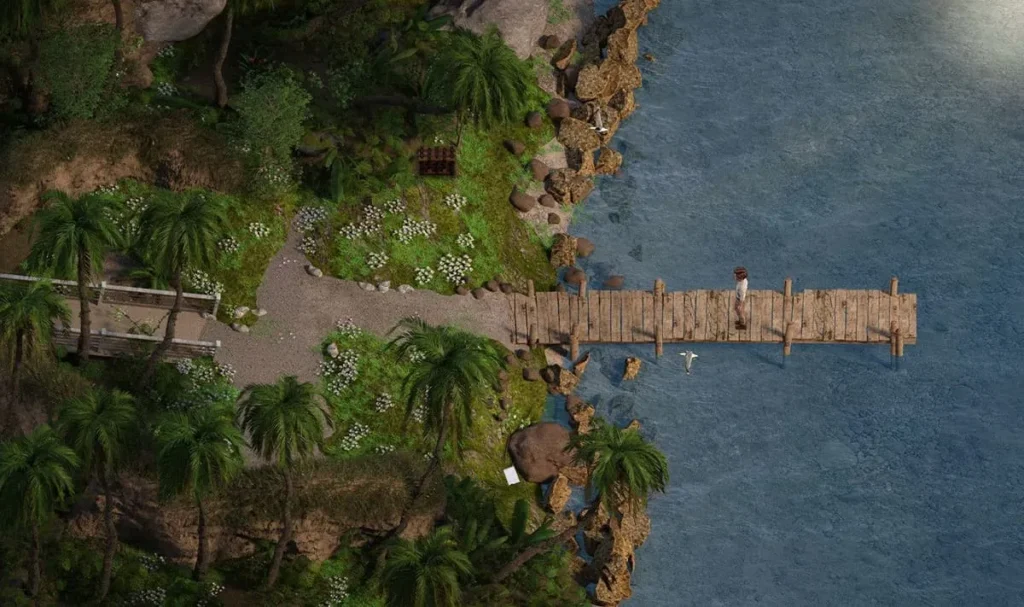
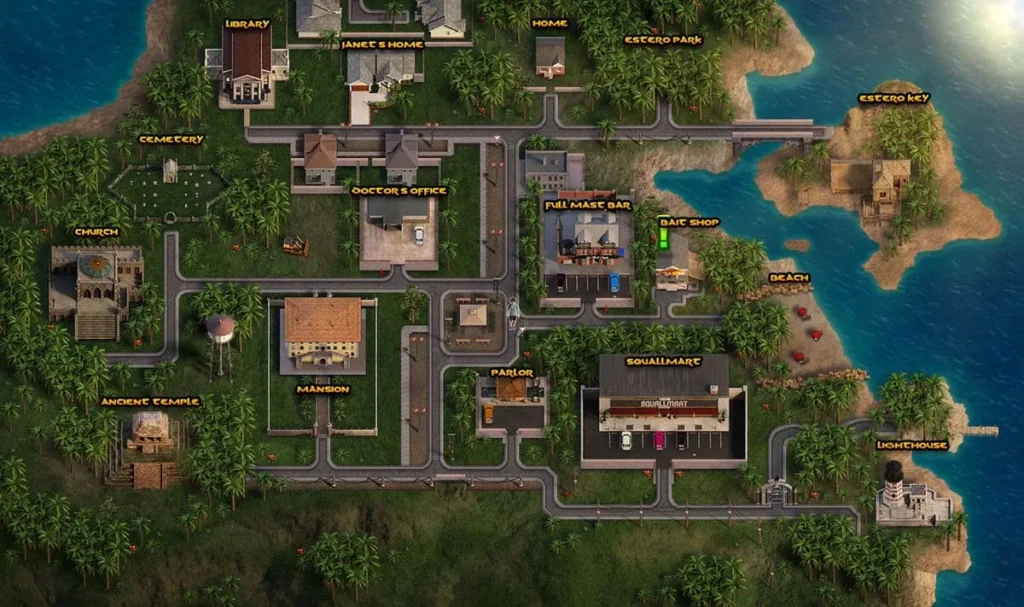
So, what makes it feel like an RPG? It’s all about agency, progression, and a living world. From the moment you gain control, the game world opens up via a travel map. You’re not on rails. You choose to go to the Beach, the Forest, the Town, or your own House. Each location is a small, explorable scene filled with interactive hotspots, characters to talk to, and, crucially, resources to find. This structure creates a wonderful sense of a daily routine. You wake up, check your goals, and decide where to invest your time. Do you go foraging for herbs in the forest, or hit the beach with your metal detector? These choices directly impact your Treasure of Nadia progression system.
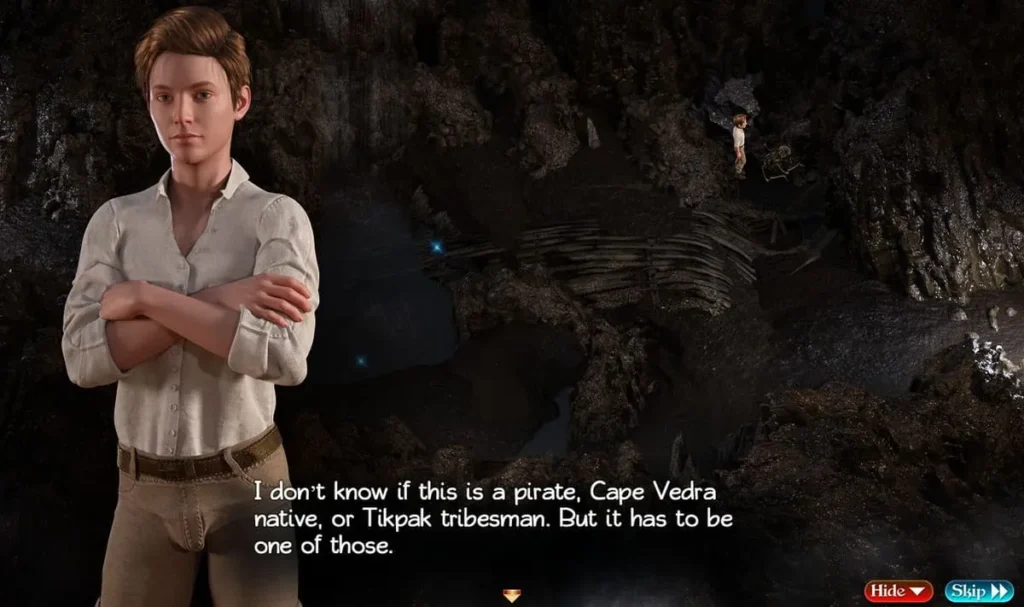
The RPG feel is cemented by the interactive story game mechanics. Dialogue choices, while not massively branching in the grand narrative, often influence immediate outcomes and character rapport. More importantly, your progress is gated by your tools and items. Remember that fallen log blocking a path in the jungle early on? You can’t just click through it. You need to earn the right tool by progressing other tasks. This turns the story into a goal-oriented adventure. You’re not waiting for the next cutscene; you’re actively figuring out what you need to do to trigger it.
💡 Pro Tip from a Veteran Hunter: Treat your first in-game week like a tutorial. Talk to everyone, click on everything that sparkles, and don’t worry about missing out. The game is designed to guide you naturally. The real “grind” and deep puzzle-solving kick in after you’ve settled into the rhythm.
This is where the genius loop shines. A story event will hint at a new area. To get there, you need an item. To make that item, you need a recipe and components. To find those, you must explore known areas thoroughly or solve a smaller puzzle. Completing that loop feels incredibly rewarding because you’ve worked for that next story beat. It’s a fantastic balance that keeps both the explorer and the storyteller in you fully engaged. 🗺️➡️🧩➡️🎬
Exploration, Crafting, and Puzzle-Solving Systems
This trio is the engine of the game. They are so tightly interwoven that discussing one inevitably involves the others.
Exploration: The Heart of the Hunt 🔍
The treasure hunting game exploration is methodical and rewarding. Each location is static but packed with secrets. On day one, the beach might just have some shells. Once you get a shovel, suddenly you see dig spots. Get a metal detector, and a whole new layer of findable items appears. This encourages revisiting areas constantly, which feeds the crafting system. A typical gameplay loop looks like this:
- Travel: Open your map and select a location based on your current goal (e.g., “I need more Silver Ore”).
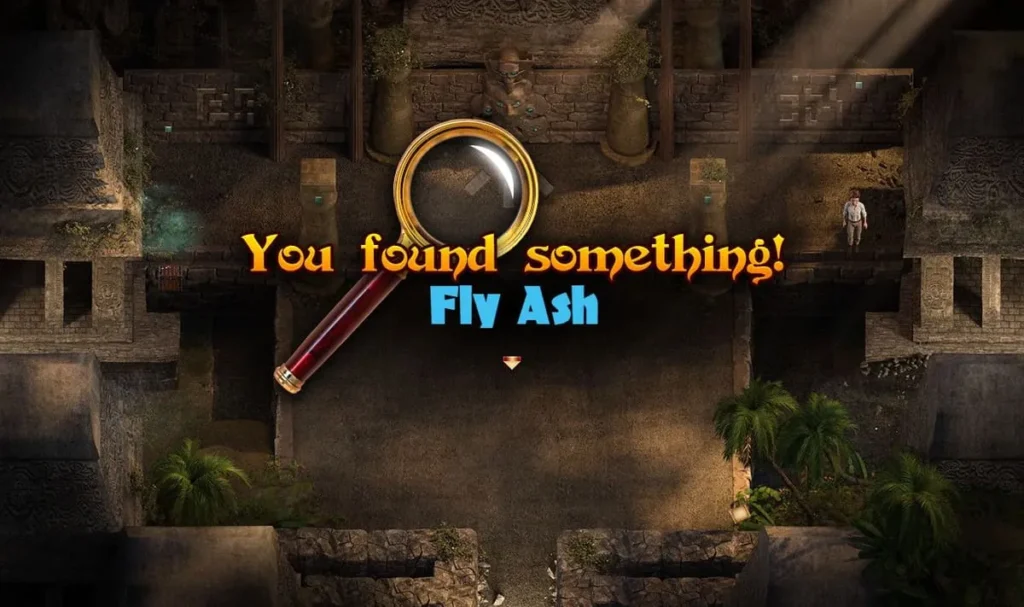
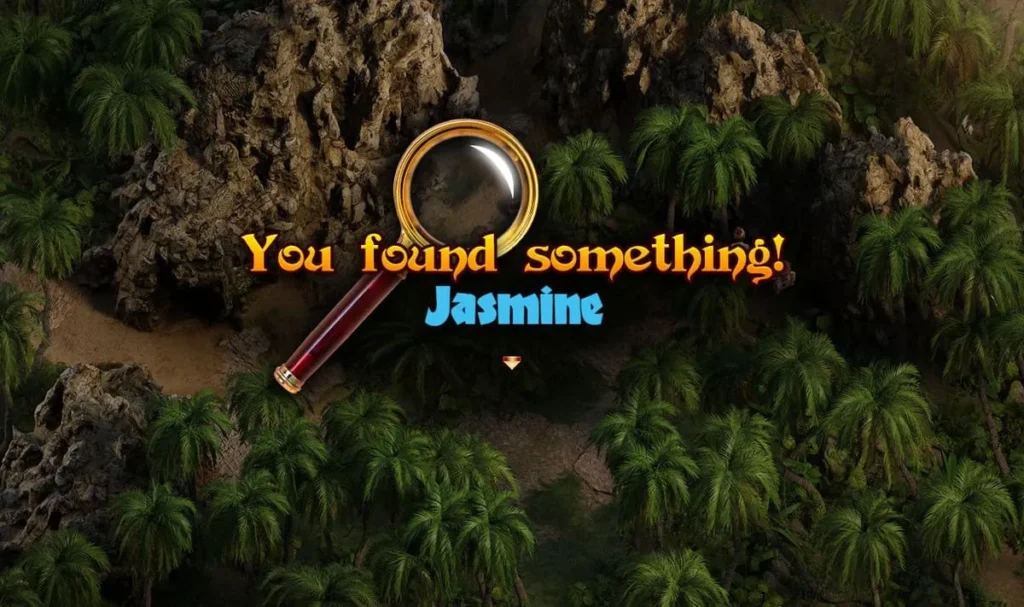
- Scavenge: Methodically hover your cursor over the scene, clicking on all sparkling hotspots to collect resources like plants, minerals, and artifacts.
- Check-In: Speak to any characters present. They often give hints, new quests, or may have a story scene available.
- Puzzle Spot: Notice an obstacle or a puzzle element (a locked chest, a strange rock formation).
- Plan & Return: Make a mental (or actual) note of what tool or item might be needed (e.g., “This looks like a job for TNT”), then continue your resource run or travel elsewhere to work on crafting the solution.
This loop is addictive. There’s always a tangible goal, and the act of finding a rare resource or a hidden artifact is satisfying on its own.
Crafting: More Than Just Combining Items 🛠️
The crafting system visual novel elevates Treasure of Nadia. This isn’t a superficial add-on. You have a dedicated crafting menu where you combine found resources into vital tools and story items. Need to clear rocks? Craft a Pickaxe (Wood + Stone + Rope). Need to blow open a cave wall? That’s where TNT barrels (Gunpowder + Cloth + Fuse) come in. The system introduces complexity gradually. Early crafts are simple, but soon you’re creating items that require sub-components, which themselves must be crafted.
Inventory management becomes a fun, mini-puzzle. You have limited space, so you learn to prioritize what to carry. Do you keep all those common flowers, or make room for the rare gemstone you just found? The game smartly uses crafting to control pacing. Hitting a wall often means you need to stop pushing the story and focus on gathering and building your toolkit. This mid-game “grind” some mention is actually this core loop in full swing—it’s the game saying, “Go out and be a treasure hunter for a while.”
Puzzle-Solving: The Payoff 🧩
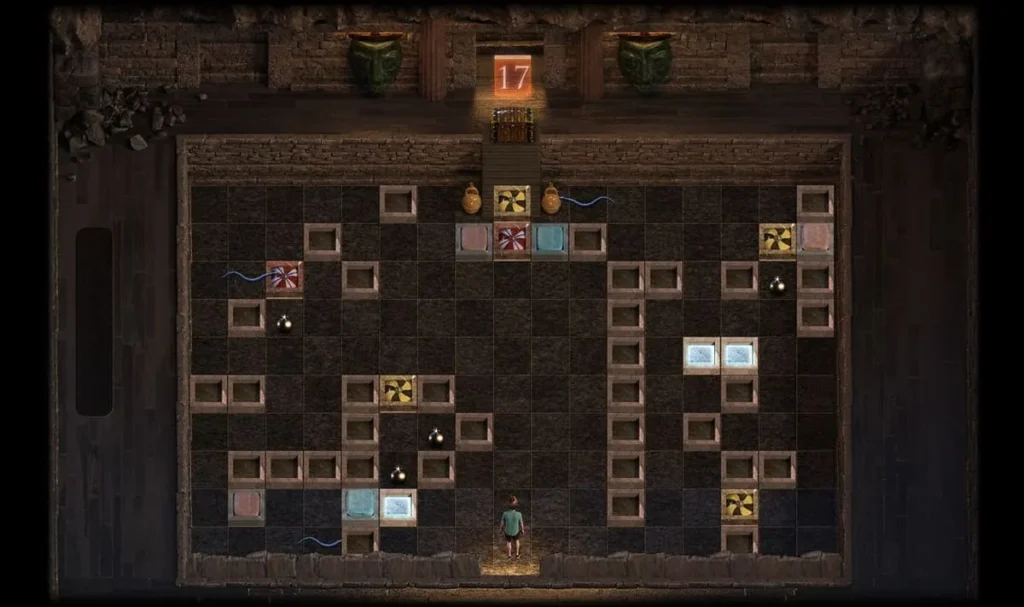
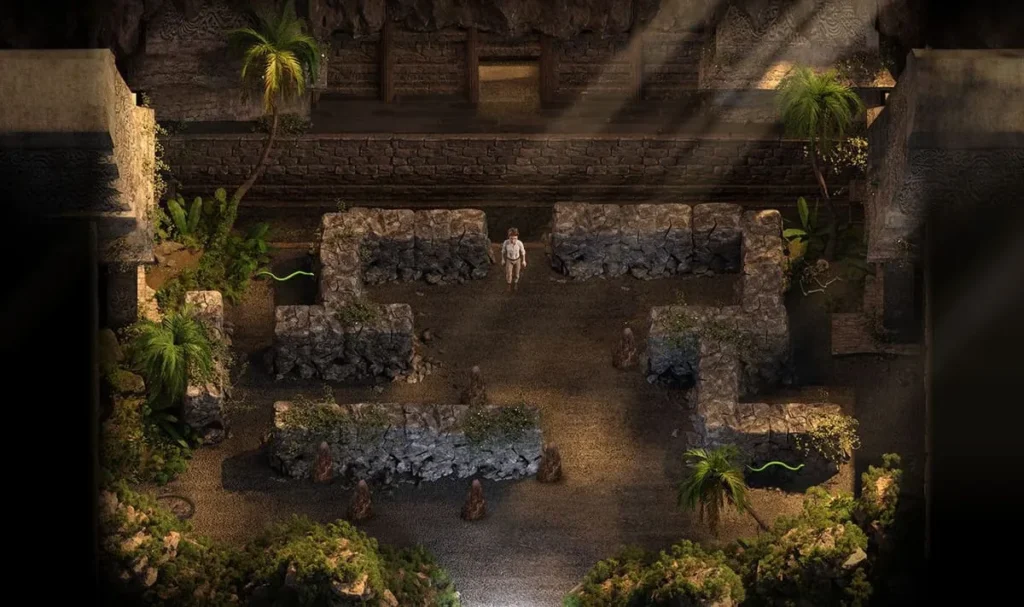
The puzzles are the glorious payoff for your exploration and crafting efforts. They are almost exclusively environmental and logical. The TNT barrel puzzles are a classic example. You’ll find a fragile wall, but it’s behind a grate. You must find the correct sequence of barrel placement to chain an explosion through the grate to the wall. It’s simple but immensely satisfying.
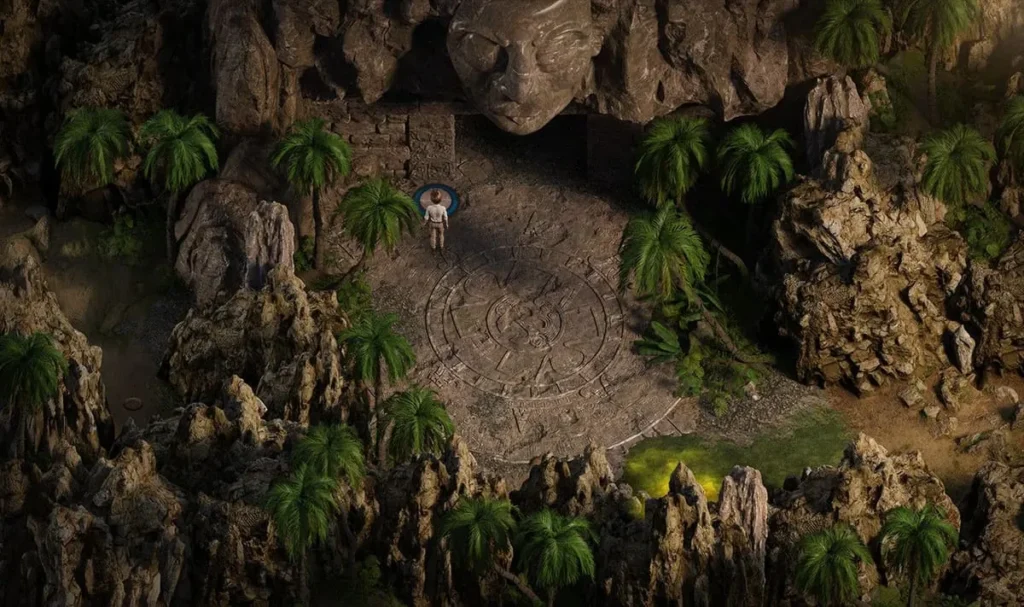
Then there’s the treasure map navigation. You’ll find map fragments that, when combined, give you a sketched, cryptic view of a location. You must match the sketch to the actual in-game scene, then dig or use a tool in the exact spot. These moments make you feel like a genuine explorer. The chest-opening systems also add variety, requiring specific keys or sequences found elsewhere. This seamless integration means puzzles never feel like jarring mini-games; they feel like organic obstacles in your path, solved with the tools you’ve cleverly prepared.
Progression and Character Development Paths
The Treasure of Nadia progression system is a multi-layered beast, and it’s what makes the 50+ hours of gameplay feel substantial and rewarding. Progression isn’t just about the linear story; it’s measured in several parallel tracks.
Area & Content Unlock: This is the most obvious path. As you solve major puzzles (clear the log, blow open the cave, repair the bridge), you unlock entirely new zones like the Jungle, the Catacombs, or the Volcano. Each new area brings a fresh set of resources, characters, puzzles, and, of course, story scenes. The game constantly dangles this carrot, motivating you to tackle the next big obstacle. 🥕
Tool & Capacity Upgrades: Your effectiveness as an explorer grows. You start with basic tools and a small backpack. Through crafting and story progression, you upgrade to a larger backpack, better digging tools, and more powerful detection gear. This tangible growth makes revisiting old areas fruitful, as you can now find better resources or access previously unreachable spots.
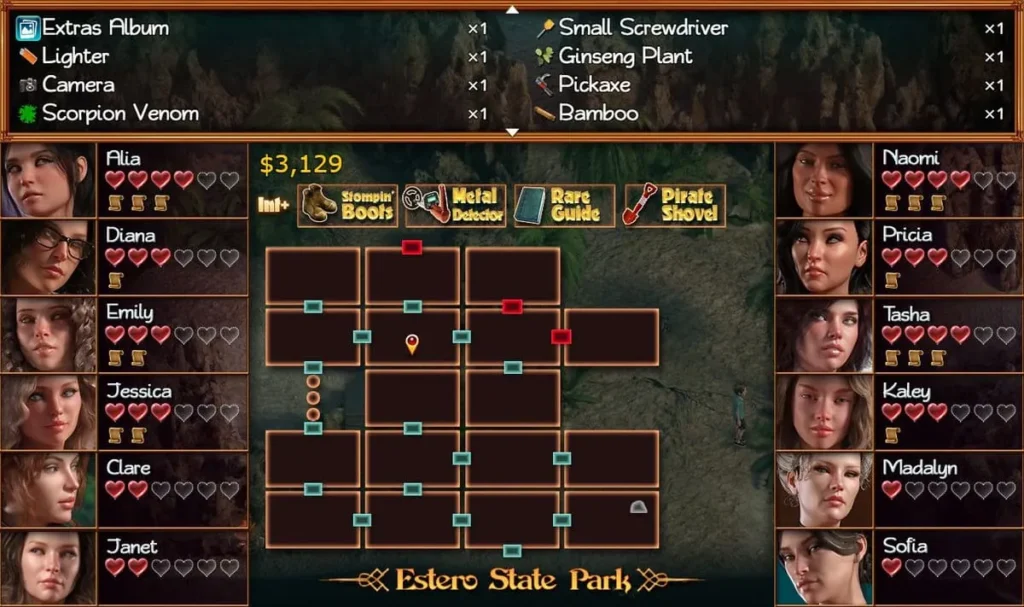
Character Relationship Tracks: While not a traditional “level-up” system, your relationships with the many characters are a form of progression. Spending time with them, giving gifts (often crafted or found items!), and completing their personal quests unlocks deeper story arcs and scenes. This system directly ties the interactive story game mechanics to the gameplay loop. You might need to craft a specific necklace as a gift to advance a relationship, which sends you back into the world to hunt for pearls and silver.
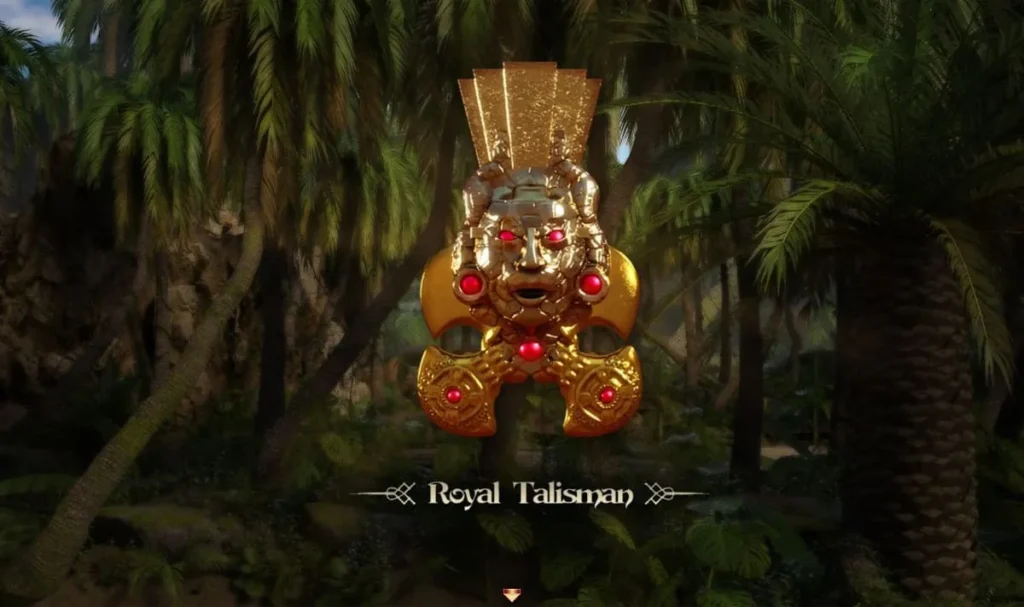
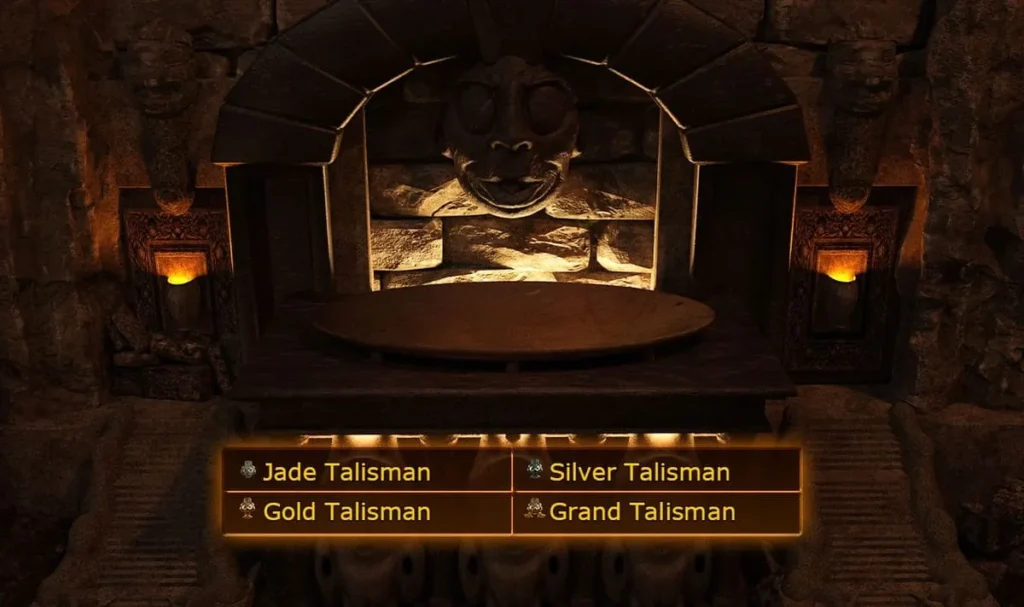
The Jewel System: This is a clever meta-progression layer. Throughout your adventure, you collect powerful artifacts—Jewels—that provide permanent, passive bonuses. One might increase the rate you find rare minerals, while another boosts the money you earn from selling artifacts. Choosing which jewel to slot into your limited display case adds a strategic layer to your treasure hunting game exploration, allowing you to tailor your efficiency to your current goals.
The beauty of this whole structure is how it balances its adult content. The romantic and intimate scenes are woven into this progression. They are presented as milestones, rewards for building relationships and overcoming challenges. They never feel gratuitous because they feel earned through engaging gameplay. You’re not just watching a story; you’ve navigated a RPG puzzle solving adventure game to reach that moment.
Ultimately, learning how to play Treasure of Nadia is about embracing its hybrid nature. It asks you to be a strategist, a scavenger, a puzzle-solver, and a storyteller all at once. Its Treasure of Nadia gameplay mechanics stand out because they create a world that feels alive and responsive to your actions. You’re not just uncovering a treasure; you’re earning every single piece of it, and that makes the final payoff—and the entire journey—incredibly memorable. ⛏️🏆✨
Treasure of Nadia stands out as a carefully crafted experience that successfully balances engaging gameplay mechanics with compelling character-driven storytelling. The game’s strength lies in its combination of meaningful exploration, puzzle-solving, and relationship building, all supported by high-quality visual production and thoughtful audio design. Whether you’re drawn to the treasure-hunting adventure, the diverse cast of characters, or the multiple story paths available, the game offers substantial content that rewards both casual play and dedicated engagement. The variety of activities, from crafting and puzzle-solving to character progression and collectible hunting, ensures that players have reasons to return for multiple playthroughs. For those interested in narrative-driven experiences with interactive elements, Treasure of Nadia delivers a polished and comprehensive package that has earned its recognition within its community.