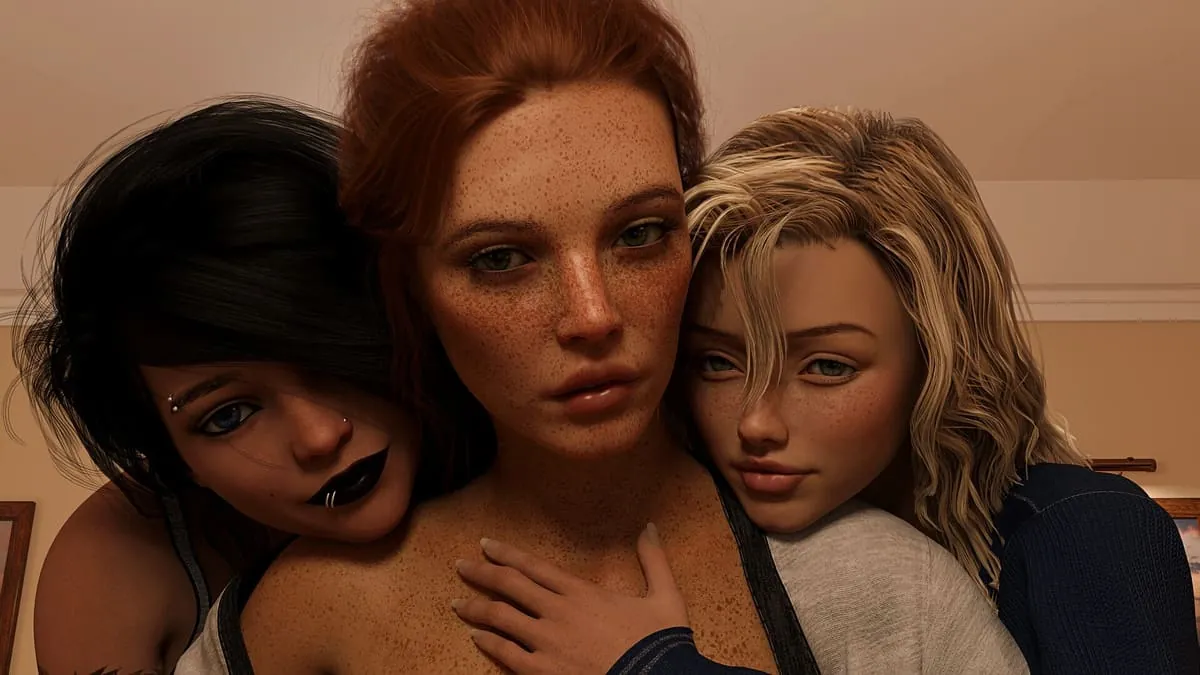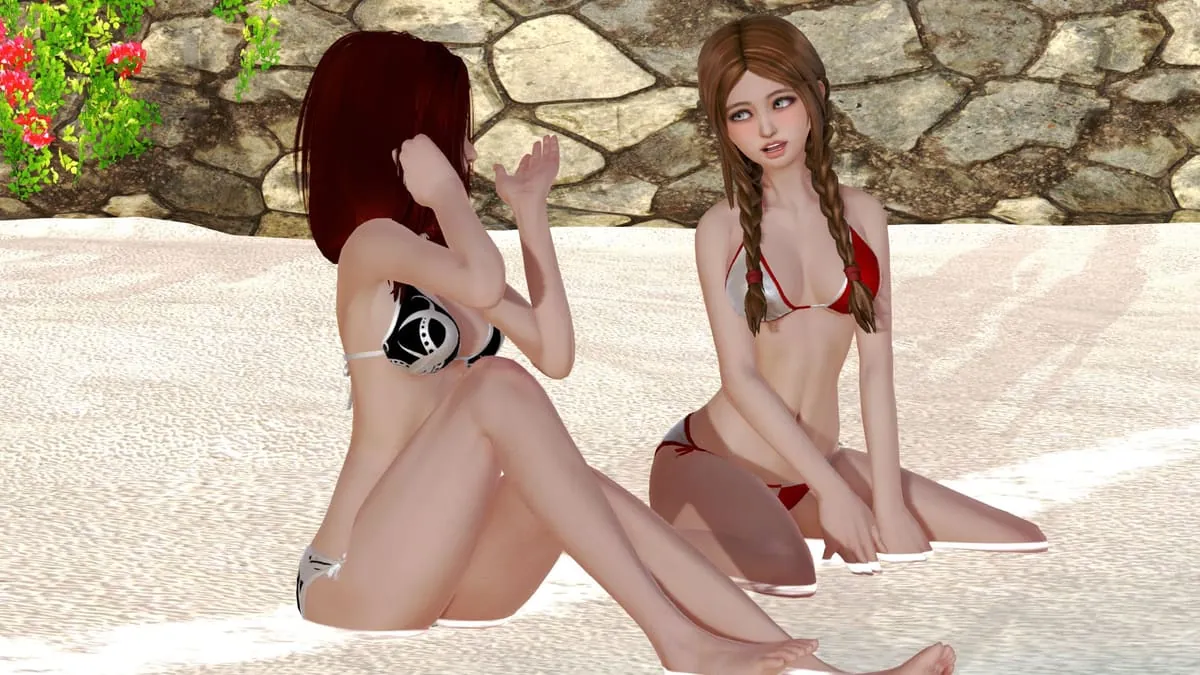
Once in a Lifetime
Play Once in a Lifetime
Once in a Lifetime Screenshots







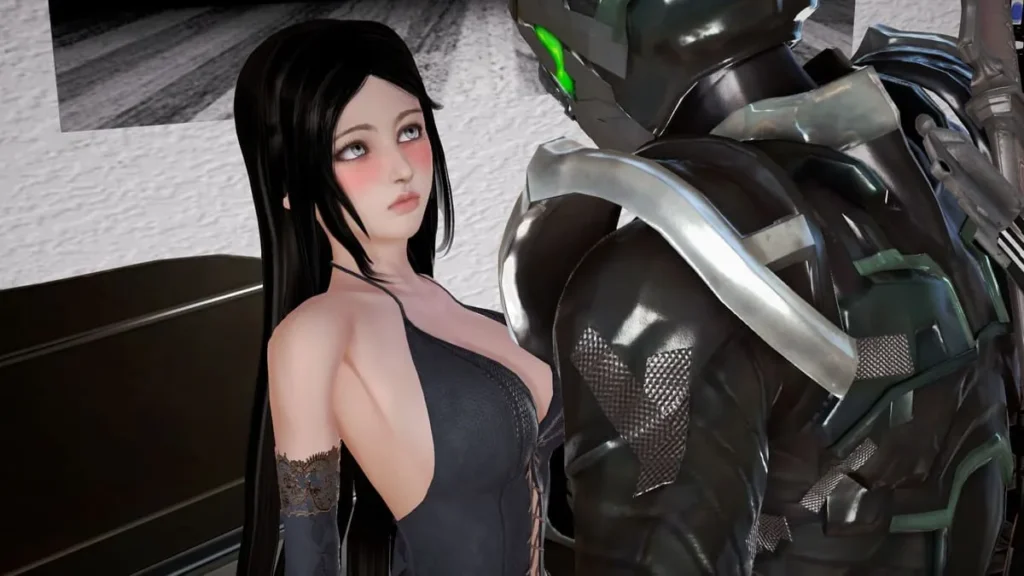

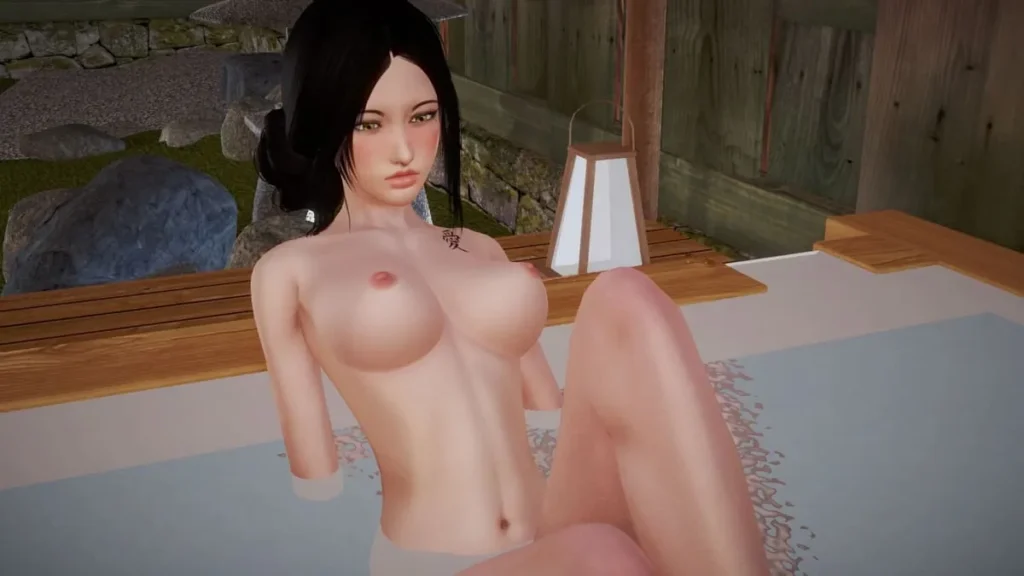


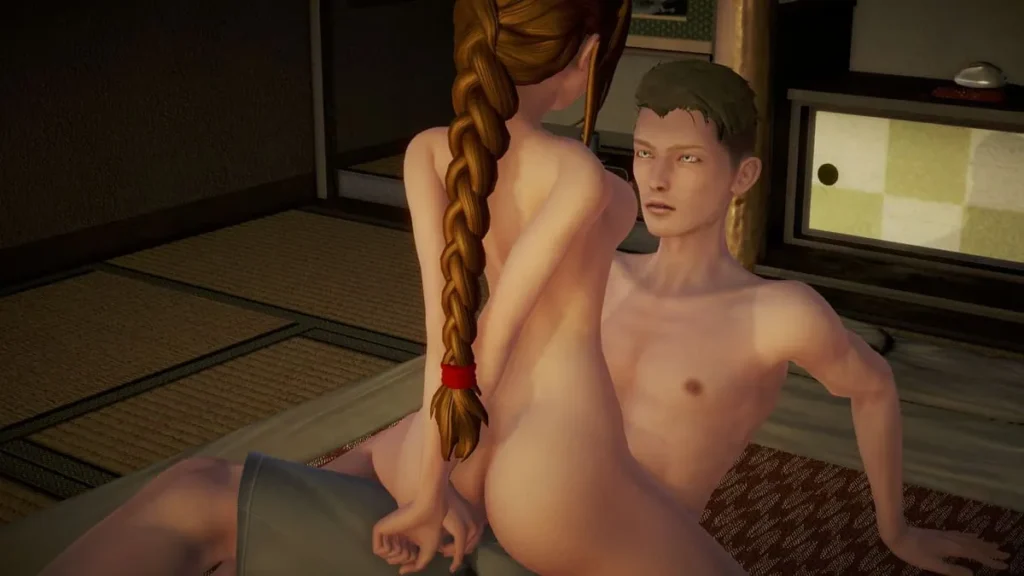

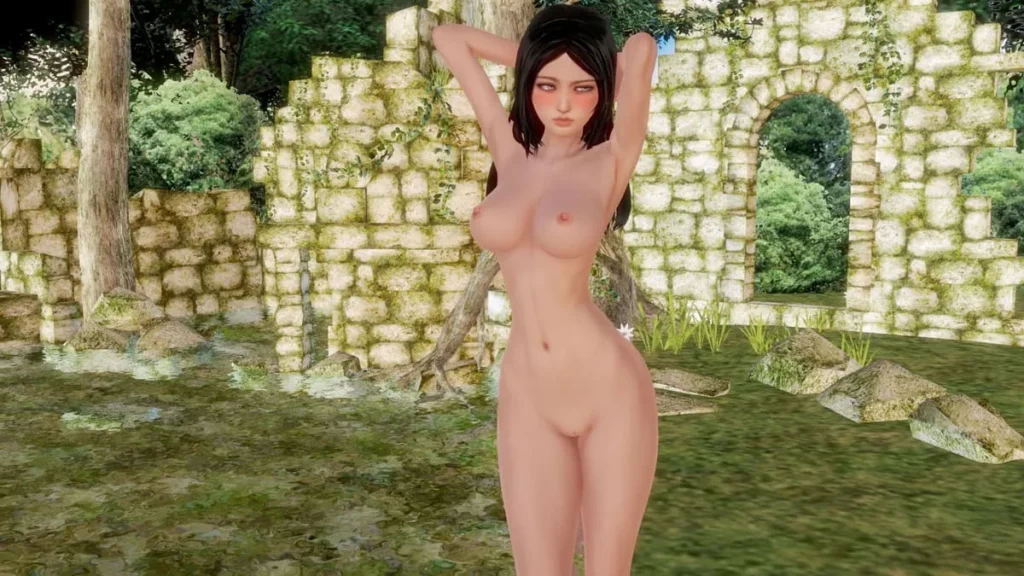
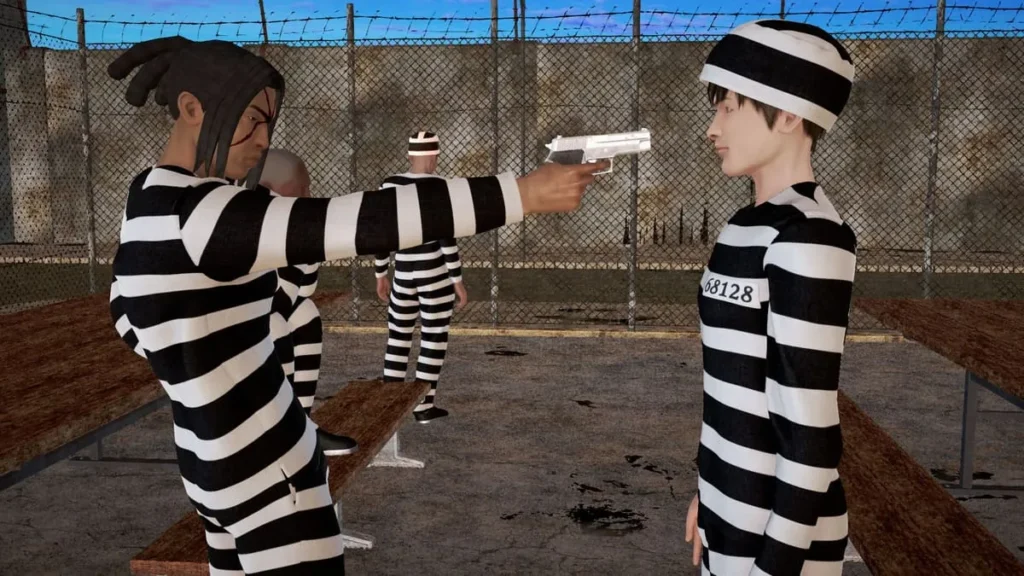
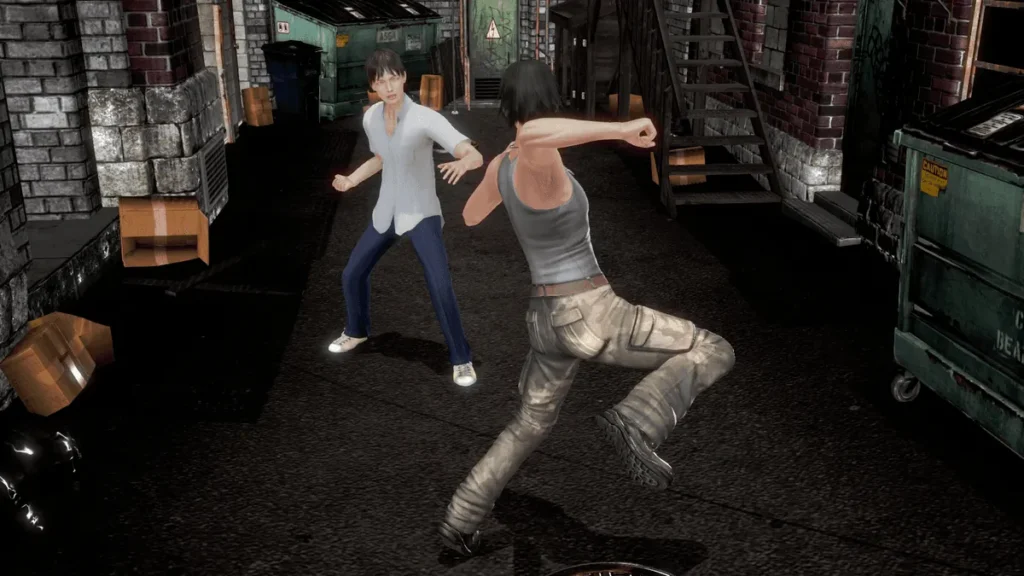
Once in a Lifetime review
A comprehensive guide to the narrative-driven visual novel experience
Once in a Lifetime stands out as a narrative-driven visual novel that combines mystery, character development, and engaging storytelling. Set in the mysterious town of Mistbury, this story-driven adventure invites players to explore dark secrets, uncover conspiracies, and navigate complex relationships. The game has garnered attention for its unique blend of humor, compelling plot progression, and character animations that exceed typical visual novel standards. Whether you’re a seasoned visual novel enthusiast or curious about the genre, understanding what makes Once in a Lifetime distinctive can help you decide if this experience aligns with your interests.
Gameplay Experience and Story Structure
Picture this: you’ve just moved to a new town, a little place called Mistbury. It’s supposed to be a fresh start, but something feels… off. 😶 The locals are a colorful bunch, your new school is full of potential new friends (and more), and there’s a creeping sense that the quiet streets hide a secret. This is your introduction to Once in a Lifetime gameplay. You’re not just picking dialogue options; you’re stepping into a life that’s equal parts slice-of-life comedy and gripping supernatural mystery.
The genius of this experience lies in its masterful visual novel story structure. It knows exactly when to let you breathe, building connections and sharing laughs, and when to tighten the suspense, pulling you deeper into its conspiracy. Your choices don’t just change a scene; they actively shape your relationships and alter the course of the narrative. This chapter is your guide to navigating that journey, from your first awkward introductions to the heart-pounding revelations that define a truly once in a lifetime adventure.
### What to Expect from the Opening Hours
The opening hours of Once in a Lifetime are brilliantly deceptive in the best way possible. 😊 You’re dropped into the shoes of our protagonist (whose personality you get to mold) as he arrives in the Mistbury town setting. The initial goal seems simple: settle into your dad’s new house, start at the local college, and meet people. The game rapidly introduces you to a core cast of potential romantic partners and friends—from the studious and sweet to the fiercely independent.
What’s immediately striking is the pace of character relationship progression early on. It’s refreshingly direct! Unlike some visual novels that make you grind for weeks of in-game time to earn a smile, Once in a a Lifetime accelerates the initial bonding phase. Through shared circumstances, witty banter, and meaningful choices, you’ll find yourself forming genuine connections within the first few play sessions. This isn’t superficial; it’s the game efficiently laying the emotional groundwork. You’re quickly invested in these people, which makes everything that happens to them later matter so much more.
The narrative pacing visual novel enthusiasts appreciate is on full display here. It masterfully balances these character moments with subtle, eerie world-building. You’ll attend a mundane school festival while hearing whispers about missing townsfolk. You’ll have a hilarious encounter with a local… let’s call him an “eccentric” citizen, only to later find a cryptic symbol graffitied in an alley. This contrast is the game’s secret sauce. The lighthearted, often raunchy humor doesn’t undermine the story; it makes the town feel alive and makes the darker elements feel all the more invasive when they seep in.
From a presentation standpoint, the visual design is clean, expressive, and full of personality. While it may not have the billion-dollar budget of a AAA title, the character sprites are beautifully drawn, with a range of emotions that sell every joke and every moment of dread. The animations, especially during key comedic or dramatic beats, are implemented with a great sense of timing that elevates the writing. Compared to many indie visual novels, the polish in these opening hours is immediately noticeable and welcoming.
### Plot Development and Narrative Progression
Just when you’re comfortably settled into the rhythm of school life and dating, Once in a Lifetime pulls the rug out from under you. 🕵️♂️ This is where the visual novel story structure shifts gears. The initial “life sim” phase is a carefully constructed setup. The introduction of the main antagonist and the full scope of the conspiracy plot visual novel elements is the pivot point where the game transforms from “really enjoyable” to “impossible to put down.”
The plot development is a classic escalation of stakes. It begins with personal mysteries and strange local happenings, but gradually expands into a town-wide—and ultimately reality-bending—threat. The game expertly drip-feeds clues, encouraging you to talk to everyone and revisit locations with new context. You’ll start piecing together the lore of Mistbury, the true nature of the mysterious organization pulling strings, and how the protagonist’s own strange dreams fit into it all. This conspiracy plot visual novel succeeds because it feels both grandiose and personal; the fate of the town is tied directly to the safety of the characters you’ve grown to care about.
The narrative pacing visual novel fans will admire here is deliberate and rewarding. After the faster relationship build-up, the plot takes time to unravel, allowing for tension to simmer. You’ll have entire scenes dedicated to detective work, tense confrontations, and shocking revelations that recontextualize everything you thought you knew. Yet, the game never forgets its characters. Major plot beats are often intertwined with character-specific arcs, ensuring the story’s heart remains firmly with the people, not just the mystery.
To visualize this masterful structural flow, let’s break down the journey:
| Story Phase | Focus & Key Elements | Player Experience & Pacing |
|---|---|---|
| Early Game | Character introduction, rapid relationship foundation, establishing daily life in Mistbury, initial eerie hints. | Fast-paced social bonding, humorous tone, exploration-focused. The game efficiently builds your emotional investment in the cast and setting. |
| Mid-Game | Antagonist introduction, plot escalation, mystery deepens, conspiracy becomes clear, tone shifts dramatically. | Pacing tightens, suspense builds. Moments of humor provide crucial relief amidst rising tension. Choices begin to carry more significant narrative weight. |
| Late Game | Conspiracy unraveling, character depth tested, major choices define the ending, supernatural and thematic elements peak. | High-stakes, payoff-oriented pacing. Emotional and narrative threads converge. Player agency is paramount in determining final outcomes for characters and the town. |
This structure ensures there’s no filler. Every chapter, from the relaxed beginnings to the intense finale, feels purposeful and drives the overall experience forward.
### Character Interactions and Relationship Building
At its core, Once in a Lifetime is a story about people. The Once in a Lifetime characters are not just romantic targets; they are fully realized individuals with their own fears, histories, and roles to play in the unfolding drama. The character relationship progression is the golden thread that ties the entire experience together. 🧵
Your choices during interactions are paramount. This isn’t about always picking the “nice” option; it’s about picking the option that feels true to the connection you want to build. Do you support a character’s ambitious but risky plan, or urge caution? Do you pry into their painful past, or give them space? The game tracks these decisions meticulously, leading to different dialogue branches, unique intimate scenes, and ultimately, determining whose path you end up on—and how that path concludes.
The game’s true brilliance is in how it balances this deep, choice-driven bonding with its overarching conspiracy plot visual novel. A character’s personal struggle might directly intersect with the town’s supernatural troubles. Their growth and the choices you help them make can directly influence their fate in the larger conflict. This integration means that advancing the plot and deepening a relationship never feel like separate tasks; they are two sides of the same coin.
Pro Tip: Don’t just chase one character from the start. The game rewards natural exploration. Spend time with different members of the cast in your initial playthrough. You’ll uncover more about the Mistbury town setting and its secrets, and you might be surprised by who you connect with most deeply.
And let’s talk about the tone! The game maintains engagement through a masterful blend of serious stakes and comedic relief. This is perfectly exemplified by its cast of recurring gag characters and background scenes. 😂
Specific Example: Imagine a scene where the protagonist and a love interest are having a tense, emotionally vulnerable conversation about a recent traumatic event tied to the conspiracy. The mood is thick with worry and intimacy. Suddenly, in the background, you might spot two familiar, hilariously inept side characters engaged in a silent, exaggerated struggle over a garden gnome or attempting to poorly spy on the scene from behind a conspicuously small bush. This visual gag doesn’t interrupt the dialogue; it runs parallel to it. It provides a moment of levity for the player without breaking the in-character seriousness of the main scene. These moments ensure the game never becomes oppressively dark, preserving the charming, lived-in feel of Mistbury even as the plot hurtles toward its climax. It’s a reminder that life—and humor—goes on, even during a crisis.
This commitment to character extends to the branching narrative. While there is a central mystery to solve, how you solve it, who stands with you at the end, and what sacrifices are made are entirely in your hands. The endings are not simple “good” or “bad” slides; they are nuanced conclusions that reflect the specific relationships you nurtured and the moral choices you made throughout your Once in a Lifetime gameplay journey. You’re not just watching a story about saving a town; you’re writing a personal story about love, trust, and fighting for what matters alongside the unforgettable Once in a Lifetime characters.
Once in a Lifetime delivers a memorable visual novel experience that successfully blends mystery, character development, and entertainment value. The game’s strength lies in its narrative progression, particularly once the main plot elements are introduced, offering players a conspiracy-driven story that feels both engaging and well-crafted. With its superior animation quality, humor-infused storytelling, and complex character interactions, the game appeals to players seeking more than surface-level entertainment. The combination of dark secrets, relationship building, and supernatural elements creates an immersive experience in the town of Mistbury. For those interested in visual novels with substantial narrative depth and character development, Once in a Lifetime presents a compelling choice that justifies the investment of time.