
Long Road Home
Play Long Road Home
Long Road Home Screenshots















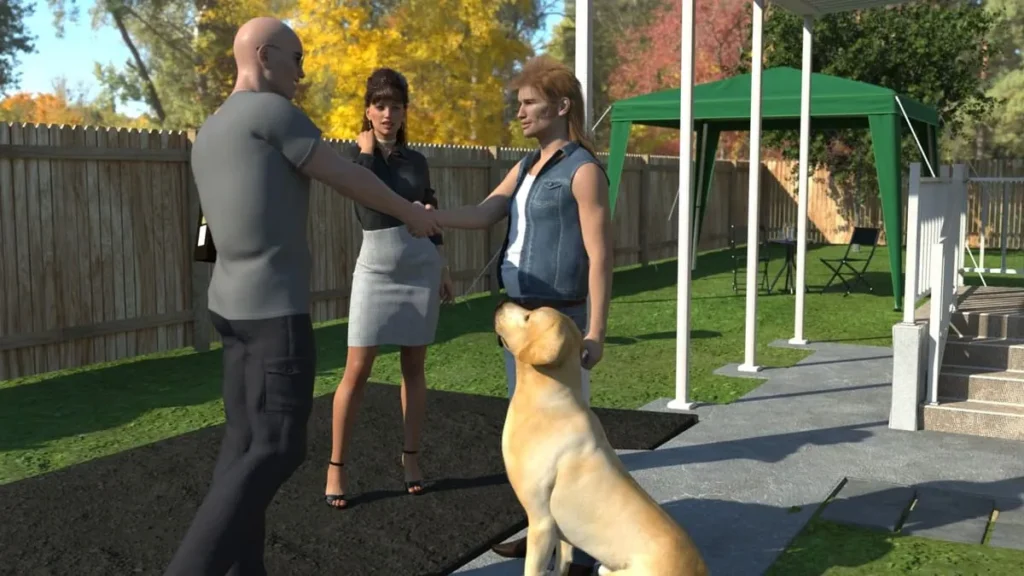










Long Road Home review
Explore the narrative depth, strategic gameplay, and branching storylines of this choice-driven interactive experience
Long Road Home stands out as a narrative-driven interactive experience that blends psychological depth with strategic decision-making. Released by OBDGames, this choice-based adventure follows a protagonist navigating life after prison, caught between rival biker clubs and personal redemption. Unlike traditional games, Long Road Home weaponizes your decisions—every choice permanently affects character relationships, story outcomes, and available paths. With over 300 possible story endings shaped by your moral compass, romance decisions, and conflict resolution style, this game transforms player agency into genuine narrative consequence. Whether you’re drawn to character-driven storytelling, complex relationship dynamics, or games where your choices truly matter, understanding Long Road Home’s mechanics reveals why it captivates players seeking meaningful interactive experiences.
Narrative Foundation: Story, Setting & Character Development in Long Road Home
Imagine stepping out into the blinding sun, the gates clanging shut behind you. You’re free, but you carry a different kind of prison with you—a head full of ghosts and a heart scarred by the past. This is where your story in Long Road Home begins. It’s not just a game about riding choppers and raising hell; it’s a raw, intimate journey into the soul of a man searching for a place to belong. As an interactive storytelling game, it masterfully turns your choices into the very fabric of its world, creating a character-driven narrative that feels less like playing a role and more like navigating a real, fractured life. The central biker club storyline isn’t just about colors and territory; it’s a poignant exploration of family, forgiveness, and the hard road to healing. 🏍️✨
The Protagonist’s Journey: From Prison to Redemption
At its core, the Long Road Home story is a powerful redemption arc gameplay experience. You’re not controlling a blank-slate hero, but a deeply wounded individual. He’s served his time in a cell, but the real sentence—the guilt, the trauma, the isolation—is a life sentence he’s only just beginning. The game brilliantly frames this as a dual journey: the external search for a new life on the open road, and the internal, much tougher voyage toward self-forgiveness.
I remember my first playthrough, thinking I’d just be a tough biker making cool choices. But the game quickly pulled me into his psyche. Every flashback, every nightmare, every hesitant interaction with a stranger felt heavy with history. This isn’t a power fantasy; it’s an empathy engine. The protagonist character development is woven into every mechanic. A simple choice to help a stranded motorist isn’t just a “good deed”; it’s a conscious step away from the selfishness that may have defined his past. Conversely, choosing intimidation or violence can feel like a sad regression, a familiar and ugly comfort zone.
Player Tip: Pay close attention to the protagonist’s internal monologue and dream sequences. They aren’t just flavor text—they’re crucial windows into his mental state and often hint at the emotional consequences of your past decisions.
The beauty of this redemption arc gameplay is that redemption is never guaranteed or even clearly defined. Is it about atonement? Making amends? Or simply finding a sliver of peace? The game lets you—forces you—to define what that means through your actions. You might seek redemption through loyalty to a new “family,” through a newfound romantic connection, or through a solitary path of confronting your demons head-on. This profound internal struggle, the constant tug-of-war between old habits and the hope for something better, is what makes the Long Road Home story so uniquely gripping and personal. 😔➡️🌟
Biker Club Dynamics: Rival Factions & Acceptance Paths
The open road might symbolize freedom, but for our protagonist, true freedom means finding a tribe. This is where the biker club storyline evolves from a simple setting into the game’s central dramatic engine. You’re presented with two rival outlaw clubs: the established, tradition-bound Reapers and the rebellious, progressive Iron Daggers. These aren’t just gangs with different logos; they represent completely opposing philosophies, families, and paths for your future.
Joining a club is the primary goal, but it’s framed as something far deeper than passing a test. It’s a search for a family replacement. After losing so much, the protagonist is desperately trying to fill that emotional void. Each club offers a different version of “belonging,” and your interactions with their members—from the grizzled old-timers to the ambitious youngbloods—directly shape your understanding of brotherhood.
To help you visualize the crossroads you face, here’s a breakdown of the two paths that define this critical biker club storyline:
| Club | Philosophy & Vibe | Acceptance Requirements | Story Path & Themes |
|---|---|---|---|
| The Reapers | Traditional, hierarchical, and values strict codes of honor and history. Stability is their currency. Think of them as the “old guard” who believe in earning your place through proven loyalty and respecting the chain of command. 🏛️ | Proving unwavering loyalty, following orders without question, and demonstrating respect for their long-established traditions. It’s a test of patience and conformity. | Unlocks a narrative about legacy, duty, and finding structure. Your **redemption arc gameplay** here may focus on earning respect and becoming part of a rigid, but secure, family system. |
| The Iron Daggers | Rebellious, meritocratic, and fueled by ambition. They challenge old ways and value bold action, skill, and forward-thinking. They’re the disruptors, more interested in what you can do than how long you’ve been around. ⚡ | Showing exceptional skill, taking decisive initiative, and proving your value through actions that advance the club’s goals. It’s a test of guts and capability. | Unlocks a story about change, ambition, and carving a new legacy. Your **character-driven narrative** focuses on proving your worth in a dynamic environment and rising through ranks based on merit. |
Your choice isn’t just A or B. It’s a series of micro-decisions—who you help, what jobs you take, which philosophies you endorse in conversation—that slowly align you with one faction over the other. The game expertly makes you feel the weight of these alliances. Choosing to run a job for the Daggers might earn you a fierce friend, but permanently burn a bridge with a key Reaper. This is the essence of choice-based narrative consequences: every handshake, every refused drink, every shared story is a brick in the road you’re building, and there’s no going back to lay a different foundation. 🤝🔥
Character-Driven Plot: Building Relationships That Matter
If the clubs are the families, then the individual members are the heartbeats that make them feel alive. Long Road Home excels as a character-driven narrative because every person you meet has a history, a motive, and a role to play in your story. You’re not collecting quest-givers; you’re navigating a complex web of human relationships where trust is the most valuable currency and betrayal is the ultimate cost.
From the moment you roll into town, you’ll encounter a cast of unforgettable characters. There’s the grizzled club elder who sees echoes of his younger self in you, the hot-headed rival who tests your temper at every turn, and the potential love interest who offers a glimpse of a normal life far from club politics. Each relationship is a mini-narrative arc, with its own trust meter and unique choice-based narrative consequences.
I learned this the hard way. In one playthrough, I consistently sided with a charismatic but manipulative Daggers lieutenant, valuing his approval over the cautious advice of a more senior Reaper. I got the fast-track into the Daggers, sure, but later in the game, when I needed an honest ally, that senior Reaper turned his back on me—a consequence I felt in my gut. The game had taught me that relationships aren’t transactional; they’re narrative investments.
Player Insight: Don’t just talk to characters to advance the plot. Listen to their stories. Ask them personal questions. Often, the key to unlocking deeper loyalty or special story branches isn’t in doing a job for them, but in remembering a detail about their past and acknowledging their humanity.
These connections are the engine of the interactive storytelling game. Your bond with a mechanic might mean better bike upgrades for a crucial chase. Your friendship with a club’s “fixer” could open up stealthier solutions to problems. A romantic subplot isn’t just a sidebar; it can become your character’s primary motivation, fundamentally altering his goals and the moral calculus of every major decision you make.
This is how the game builds its gripping tale structure. The overarching plot of club wars and personal redemption is compelling, but it’s the intimate moments—the shared drink after a hard day, the argument over a moral line, the quiet confession of fear—that truly invest you in the unfolding story. You’re not just watching a protagonist character development; you are actively authoring it through every friendship you nurture, every rivalry you ignite, and every heart you choose to open or harden. By the end of your journey, the Long Road Home story isn’t something you witnessed. It’s something you built, one meaningful connection at a time. ❤️🩹🛣️
Long Road Home represents a sophisticated approach to interactive storytelling, where narrative depth and player agency converge to create genuinely memorable experiences. The game’s strength lies in its commitment to consequence—every choice, from dialogue selections to resource allocation, ripples through the story in meaningful ways. With over 300 possible endings shaped by your decisions, romance paths, and moral choices, no two playthroughs feel identical. The innovative mechanics—from the choice stakes system to psychological character traits—transform what could be a simple narrative adventure into a complex, emotionally engaging journey. Whether you’re drawn to character-driven plots, strategic decision-making, or games that respect player agency, Long Road Home delivers on multiple fronts. The community’s recognition of the game as ‘art’ speaks to its ability to transcend typical entertainment categories. If you’re seeking an interactive experience where your choices genuinely matter and the story adapts to your moral compass, Long Road Home offers a compelling reason to embark on this journey of redemption and self-discovery.