Kaiju Princess Screenshots


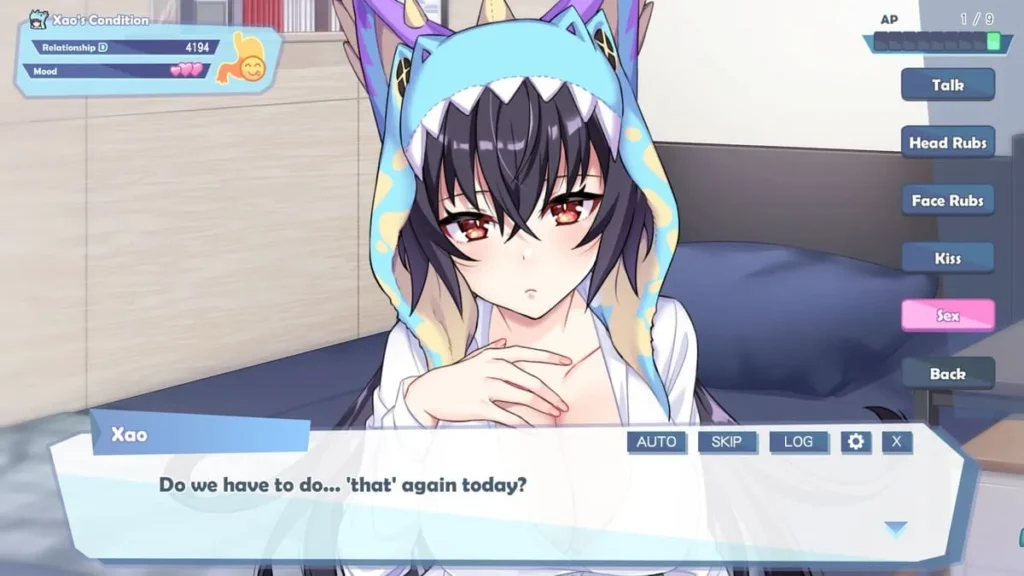

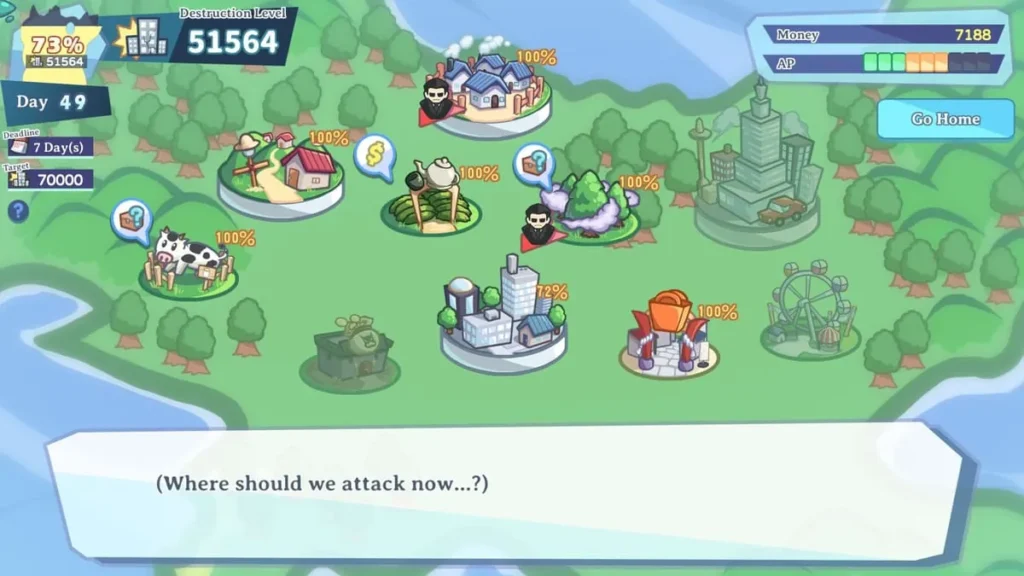
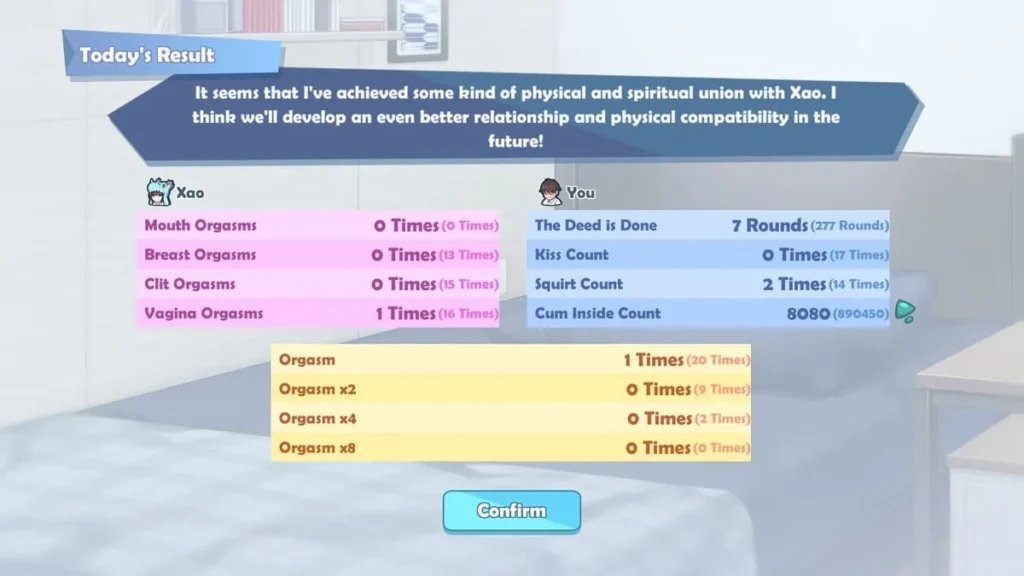



Kaiju Princess review
Master the time management system and relationship dynamics in this unique adult strategy experience
Kaiju Princess stands out as a distinctive time management game that blends strategic gameplay with relationship building mechanics. Unlike traditional management titles, this game challenges players to balance multiple competing priorities while serving a powerful alien character. The energy-based system creates meaningful consequences for every decision, forcing players to think strategically about resource allocation. Whether you’re interested in the core gameplay loop, relationship mechanics, or strategic depth, understanding how Kaiju Princess structures its systems is essential for success. This guide explores what makes the game unique and how to navigate its complex mechanics effectively.
Understanding the Energy-Based Time Management System
Ever felt that panicked, clock-watching dread in a time management game? 😰 You know the one—where you’re scrambling to click everything before a timer runs out, and your entire strategy boils down to how fast your mouse finger can twitch. I’ve been there, and honestly, it starts to feel more like a reflex test than a thoughtful strategy experience.
Luckily, Kaiju Princess throws that entire rulebook out the window. 🚪✈️ This game’s brilliant core innovation is its energy management system, which completely redefines what time management mechanics can be. Instead of racing against a ticking clock, you’re making deliberate, calculated decisions about a single, precious resource: your energy. Every action, from training your kaiju to wooing the princess, draws from this same pool. It’s a masterclass in resource allocation strategy that turns every day in the game into a compelling puzzle. Let’s dive in and master this unique system together.
How Energy Replaces Traditional Time Mechanics
Forget minutes and seconds. In the world of Kaiju Princess, your capability to act is governed entirely by an energy bar. Think of it not as stamina, but as your strategic capacity for the day. This is the game’s central time management mechanics hack: it abstracts time into a tangible resource you can plan with.
Here’s how it works. Your character has 100% energy at the start of each in-game day. Every activity consumes a specific percentage. This creates a beautifully clear resource allocation strategy challenge. You can’t do everything, so you must choose what aligns with your goals. Want to focus on becoming a powerful kaiju commander? Training is your friend. Need to ensure the Princess is on your side for a critical political move? That requires social investment.
The genius is in the costs. They are significant enough to make you pause and think. Doing three major activities in a row might completely drain you, forcing you to end the day early and miss other opportunities. This system creates a natural, player-driven rhythm. A “day” ends not when a clock hits zero, but when you decide you’ve expended your strategic capacity for that period.
To give you a clear picture, here’s a breakdown of some core activities and their energy toll:
| Activity Type | Example Action | Energy Cost |
|---|---|---|
| Training & Power Development | Intense Kaiju Combat Drills | 30% |
| Relationship Building | A Romantic Evening with the Princess | 20% |
| Exploration & Missions | Scouting a New Enemy Territory | 15% |
| Base Management | Upgrading Headquarters Defenses | 25% |
| Political Maneuvering | Attending a Royal Court Session | 10% |
This table isn’t just a menu; it’s your strategic budgeting sheet. 🧾 Seeing these numbers makes the energy management system instantly graspable. You look at that 100% and start doing the math: “If I scout and train, that’s 45% gone. Do I have enough left to secure that crucial alliance?”
Strategic Energy Allocation and Daily Planning
This is where Kaiju Princess transforms from a game into a cerebral exercise. You’re not just spending energy; you’re investing it. Your daily plan is your blueprint for success, and two incredible features give you unparalleled control: the Daily Focus Feature and the Pause Menu.
Let’s talk about the Daily Focus feature first. This is your get-out-of-jail-free card for critical tasks. ✨ Early on, I kept failing a mission because I’d get distracted by shiny side events and forget to train. The Daily Focus feature lets you “lock in” one activity per day that will not cost energy. That’s huge! It means you can guarantee progress on your most important goal, whether it’s finally unlocking that new kaiju ability or having a vital conversation with the Princess. It’s the cornerstone of effective strategic planning mechanics, allowing you to build a reliable long-term plan around a guaranteed daily action.
But what if you start your day and realize your plan is flawed? In a traditional game, you’d be stuck. Not here. The Pause Menu mechanic is a game-changer. ⏸️ You can literally freeze your day mid-action, open the menu, and completely reschedule your remaining energy. Did a surprise event pop up that’s more valuable than your original plan? Pause, reassess, and reallocate. This doesn’t feel like cheating; it feels like strategic foresight. It acknowledges that the best commanders need to adapt, and it empowers you to do so without penalty, deepening the resource allocation strategy layer.
My personal strategy? I always use my Daily Focus feature on the task that is a bottleneck for my current weekly goal. Then, with my remaining energy, I aim for a balanced mix:
* One “Progress” Action (High cost, like Training or Base Building).
* One “Maintenance” Action (Medium cost, like Relationships).
* One “Information” Action (Lower cost, like Scouting or Politics).
This mix ensures I’m advancing my power, maintaining crucial social links, and gathering intel for future decisions—all pillars of the game’s deep strategic planning mechanics.
Consequences of Poor Resource Management
Now for the spice—the consequence system gameplay. 😈 Kaiju Princess doesn’t just let you fail a task; it weaves your neglect into the narrative in deliciously painful ways. This isn’t about a “Game Over” screen; it’s about the world reacting logically to your poor resource allocation strategy.
The energy depletion consequences are immediate and humiliating. Push your character too hard by cramming in one last mission? You don’t just stop. You collapse mid-quest. I learned this the hard way during an early scout mission. I was at 5% energy, thought “I can make it,” and my screen faded to black as my character passed out in enemy territory. I woke up back at base, having failed the mission and lost the resources I’d invested. It was a perfect, punishing lesson.
But the more profound consequences are narrative-driven. This is where the consequence system gameplay shines. Every character and system remembers your choices.
Let’s look at a real example from my playthrough: I was hyper-focused on building the ultimate kaiju for three days straight. Every drop of energy went into training and upgrades. I completely ignored the Princess, figuring I’d get to it later. Big mistake. 😬 On the fourth day, I launched a carefully planned attack on a rival faction. My kaiju was powerful, my strategy sound. But mid-battle, the Princess—feeling ignored and resentful—sabotaged my headquarters’ communication array. My orders couldn’t get through, my kaiju became confused, and I suffered a crushing defeat I should have easily won.
This is the consequence web in action. Neglecting relationship building didn’t just mean a lower affinity number; it created a narrative justification for a direct, tactical failure. Other outcomes I’ve seen or heard about include:
* Neglecting base defenses leading to your headquarters being destroyed in a raid.
* Ignoring political factions resulting in them withdrawing support during a critical vote.
* Failing to scout an area meaning you walk into an ambush with the wrong kaiju type.
These aren’t random punishments. They are the direct, believable results of your management (or mismanagement). This consequence system gameplay ties every system together—energy, relationships, combat, politics—into one cohesive whole. Your energy management system choices have weight that echoes through every aspect of the game.
Mastering the energy management system in Kaiju Princess is what separates a casual player from a true city-leveling strategist. 🏙️💥 It forces you to think holistically, to see the connections between the gym, the throne room, and the battlefield. By understanding the costs, leveraging the Daily Focus feature, and respecting the very real energy depletion consequences, you transform from someone who simply plays the game into a commander who truly manages their empire, their relationships, and their destiny. Now go forth—your energy bar is full, and a world of strategic possibilities awaits. Just choose wisely.
Kaiju Princess delivers a compelling management experience that rewards strategic thinking and careful planning. The energy-based system creates meaningful choices where every action carries weight, distinguishing it from traditional time management games. Success requires balancing relationship development, territorial expansion, and resource management while navigating the consequence web that punishes neglect in any area. The game’s depth emerges through understanding how these interconnected systems influence each other, transforming what initially seems overwhelming into an engaging puzzle of priorities. Whether you’re drawn to the strategic gameplay, relationship mechanics, or unique premise, mastering these core systems will significantly enhance your experience and help you progress effectively through the game.