Gates Motel
Play Gates Motel
Gates Motel Screenshots






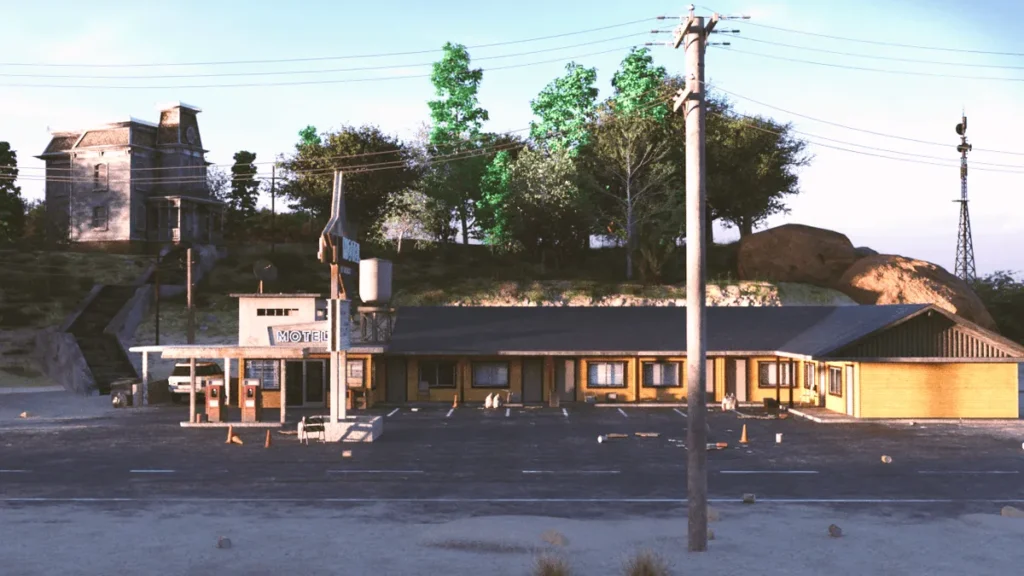
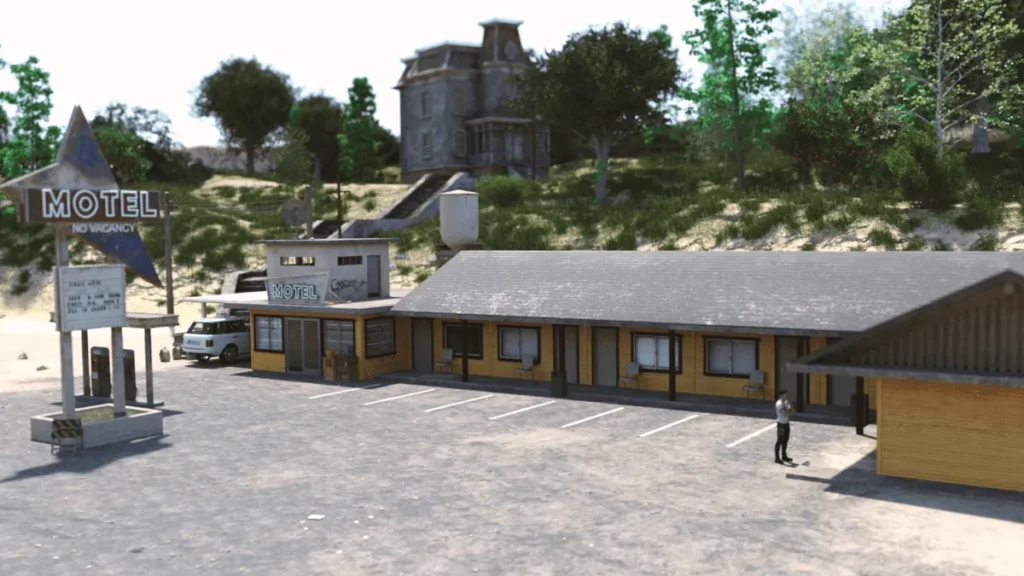
Gates Motel review
Explore the atmospheric mystery and interactive mechanics of this immersive adventure
Gates Motel stands out as a unique interactive adventure that combines atmospheric storytelling with engaging puzzle-solving mechanics. This immersive experience drops you into a mysterious motel on a stormy night, tasking you with uncovering the truth behind its sudden closure and the disappearance of its guests. Through environmental storytelling, cryptic notes, and strategic decision-making, the game creates a slow-burn suspense narrative that keeps players engaged. Whether you’re drawn to mystery games, interactive narratives, or challenging puzzles, Gates Motel offers a distinctive gaming experience that rewards careful observation and critical thinking.
Understanding Gates Motel: Core Gameplay Mechanics and Features
Stepping into the flickering neon glow of the Gates Motel lobby for the first time, I was immediately struck by a feeling I hadn’t experienced in years: genuine, unfiltered curiosity. There was no quest marker telling me where to go, no log entry shouting “OBJECTIVE UPDATED.” Just the quiet hum of a broken ice machine, the scent of stale coffee, and the weight of countless untold stories hanging in the air. This, I realized, was the heart of a true first-person adventure game. It wasn’t about reflexes or stats; it was about perception, choice, and the slow, delicious unraveling of a mystery where every detail mattered. If you’re ready to trade button-mashing for brain-teasing and linear plots for personal agency, you’re in the right place. Let’s pull back the curtain on the brilliant Gates Motel gameplay mechanics that make this experience so unforgettable. 🕵️♂️✨
What Makes Gates Motel’s Exploration System Unique?
Forget open worlds crammed with repetitive icons. The interactive adventure game exploration in Gates Motel is a masterclass in purposeful, atmospheric discovery. You view the world directly through the protagonist’s eyes, and your ability to progress is intimately tied to how well you observe your surroundings. This isn’t just walking from point A to B; it’s an active dialogue with the environment.
The motel itself is the main character, and it has moods. One of the most innovative Gates Motel gameplay mechanics is the dynamic environment. The time of day and weather conditions aren’t just for show—they physically alter what you can access and see. That padlocked storage shed shrouded in shadow at midnight? Return in the harsh light of a rainy afternoon, and a glint from a broken gutter might reveal a key hidden in the drainpipe. A corridor that feels merely creepy at dusk can become a labyrinth of terrifying shadows at 3 AM, concealing a previously unnoticed crack in the wall paneling.
I learned this the hard way. Early on, I was stuck for an hour, convinced I’d combed every inch of the office. Frustrated, I decided to just let the in-game clock run and stood there, watching the sunset through the grimy blinds. As the room plunged into darkness, the desk lamp (which I had ignorantly dismissed as set-dressing) automatically clicked on. Its warm glow cast a new set of shadows across a framed photo on the wall, revealing a series of faint, handwritten numbers behind the glass that were completely invisible in the daylight. 🤯 The game had silently taught me a crucial lesson: patience and observation are your primary tools.
This approach makes every item you examine feel significant. You’re not just “looting” generic junk; you’re piecing together a history. A half-empty bottle of medicine in Room 11, a child’s drawing wedged behind a radiator, the specific pattern of wear on the front desk counter—each is a fragment of the environmental storytelling game philosophy. You aren’t told the story; you excavate it.
Pro Tip: Keep a real notepad handy or use the in-game photo mode (if available) liberally. You’ll thank yourself later when trying to connect a symbol from a journal in the basement to a pattern on a stained-glass window in the attic.
How Do Decision-Making and Branching Narratives Work?
If exploration is the game’s heartbeat, then its branching narrative choices are the soul. Gates Motel expertly avoids the illusion of choice, presenting you with decisions that genuinely fracture the storyline into distinct, often unexpected, paths. There’s no “Paragon” or “Renegade” meter here—just the consequences of your instincts and morals.
The system is elegantly simple but profound in impact. During key interactions, the game will present you with a choice, often under time pressure. These aren’t always grand, life-or-death declarations. Sometimes, it’s as subtle as choosing to answer a mysterious phone call or let it ring, or deciding whether to pocket a found item that clearly belongs to someone else.
Let’s talk about a concrete example that reshaped my entire playthrough. Midway through the game, you encounter a shadowy figure named Eli, who lingers at the edge of the motor court. He’s clearly nervous, offers you a piece of cryptic information about the motel’s owner, and asks for a favor in return: to retrieve a small, sealed box from the boiler room.
- Choice A (Trust): You agree to help Eli. This path unlocks unique dialogue, makes him a recurring (if elusive) source of hints, and later, he might intervene to distract a threat. However, retrieving the box for him locks you out of discovering its contents yourself, potentially hiding a major story clue about his past motives.
- Choice B (Distrust): You refuse, accusing him of being part of the problem. Eli vanishes, closing off his assistance entirely. The game becomes harder in some ways, as you lose a potential ally. But! This path forces you to find another way into the boiler room on your own. When you finally get that box, you can open it, revealing journal pages that paint Eli in a completely different, more sinister light, sending the narrative spiraling in a direction the “trust” path never sees.
This one decision doesn’t just change a line of dialogue; it alters available locations, changes how other characters react to you, and reveals entirely different facets of the core mystery. It’s the epitome of meaningful branching narrative choices, ensuring that your story at Gates Motel feels personally yours. 🔀
Mastering Inventory Management and Puzzle-Solving
Now, let’s get practical. All that exploration and decision-making feeds into the tangible systems you’ll use to progress: your inventory and your wits. The inventory management system in Gates Motel is deliberately minimalist and diegetic. You have a limited satchel, encouraging you to think carefully about what you carry. Is that heavy wrench more important than the fragile glass vial you just found? Maybe you need to leave one in a designated “stash” spot and come back later.
The real magic happens in combination. This is where the puzzle-solving mechanics shine. Puzzles are rarely isolated “lock and key” scenarios. Instead, they are webs of clues spread across the motel, requiring you to synthesize information from your inventory and your environment.
Remember my anecdote about the squeaky floorboard near Room 13? Here’s how that played out. I found a faded ledger in the office noting that Room 13 was “permanently sealed” after an incident in 1982. Later, while listening at doors (a key action!), I heard a distinct, rhythmic squeak coming from that hallway—creak, pause, creak-creak, pause. It didn’t sound random.
Scouring my inventory, I had two relevant items: a maintenance log from the shed mentioning a “faulty subfloor repair” in the west wing, and a child’s music box found in the lobby that played a specific tune. Putting it together, I realized the squeak pattern matched the first few notes of the music box melody. I used the music box at the door to Room 13, and the synchronized vibrations caused the loose floorboard in the hall to pop up, revealing a hidden key taped underneath. No UI prompt, no glowing outline. Just pure environmental deduction. 🧩
This is the core loop: Explore > Find Items & Clues > Combine & Deduce > Unlock New Areas/Story. Object rearrangement puzzles, like sorting photographs on a wall into chronological order based on subtle background changes, or decoding messages by overlaying translucent pages from different journals, are common. The game constantly rewards you for being meticulous and for viewing every item not as a trophy, but as a potential piece of a larger, interlocking machine.
To see how these pillars hold up the entire experience, let’s break them down side-by-side:
| Core Mechanic | How It Works | Player Impact & Feeling |
|---|---|---|
| Exploration | First-person, environment-driven progression. Time of day and weather unlock new clues and areas. Focus on active observation. | Creates deep immersion and a sense of being a true detective. Makes the player feel clever and perceptive. |
| Inventory Management | Limited-space satchel. Items can be physically combined (e.g., fuse with battery) or inform puzzle solutions logically. | Encourages strategic thinking and memory. Turns inventory from a simple list into an active puzzle space. |
| Decision-Making | Meaningful, often morally grey choices at key narrative junctions that create distinct story branches and alter character relationships. | Fosters real emotional investment and ownership over the story. Drives replayability to see different outcomes. |
| Puzzle-Solving | Integrated, non-isolated puzzles. Solutions require clues from multiple locations, items, and environmental details. | Delivers immense satisfaction from “Eureka!” moments. Makes the world feel cohesive and intelligently designed. |
Ultimately, the genius of Gates Motel is how these systems aren’t separate features but strands of the same rope. Your interactive adventure game exploration fills your inventory and mind with clues. Your branching narrative choices determine which puzzles you even encounter and which characters might help or hinder you. The inventory management system forces you to prioritize which clues you think are most vital. And every solved puzzle, born from the game’s brilliant puzzle-solving mechanics, peels back another layer of the haunting, environmental storytelling game at its core.
It’s a first-person adventure game that respects your intelligence, offering a world that feels alive, reactive, and deeply personal. Your journey through the rain-slicked parking lot and echoing hallways of the Gates Motel will be uniquely, unforgettably yours. All you have to do is be brave enough to turn the key and step inside. 🌧️🔑
Gates Motel delivers a compelling interactive experience that seamlessly blends atmospheric storytelling with engaging gameplay mechanics. The game’s strength lies in its ability to reward player observation and critical thinking through environmental puzzles, meaningful choices, and an intricate inventory system that feels essential rather than restrictive. From the moment you arrive at the motel on that stormy night, every detail matters—whether it’s a cryptic journal entry, a hidden photograph detail, or the strategic combination of collected items. The branching narrative ensures that your personal choices shape your journey, making each playthrough feel unique and personal. If you’re seeking a mystery game that respects your intelligence and rewards careful exploration, Gates Motel offers an unforgettable adventure that lingers long after the credits roll.