Deviant Anomalies
Play Deviant Anomalies
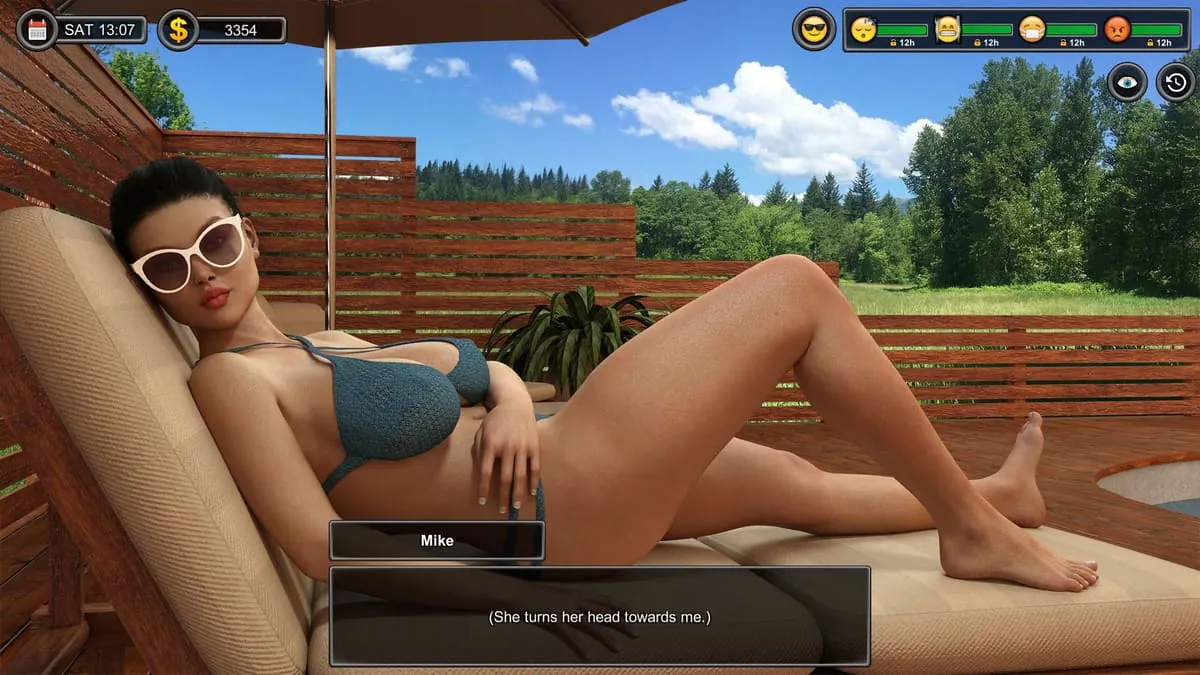
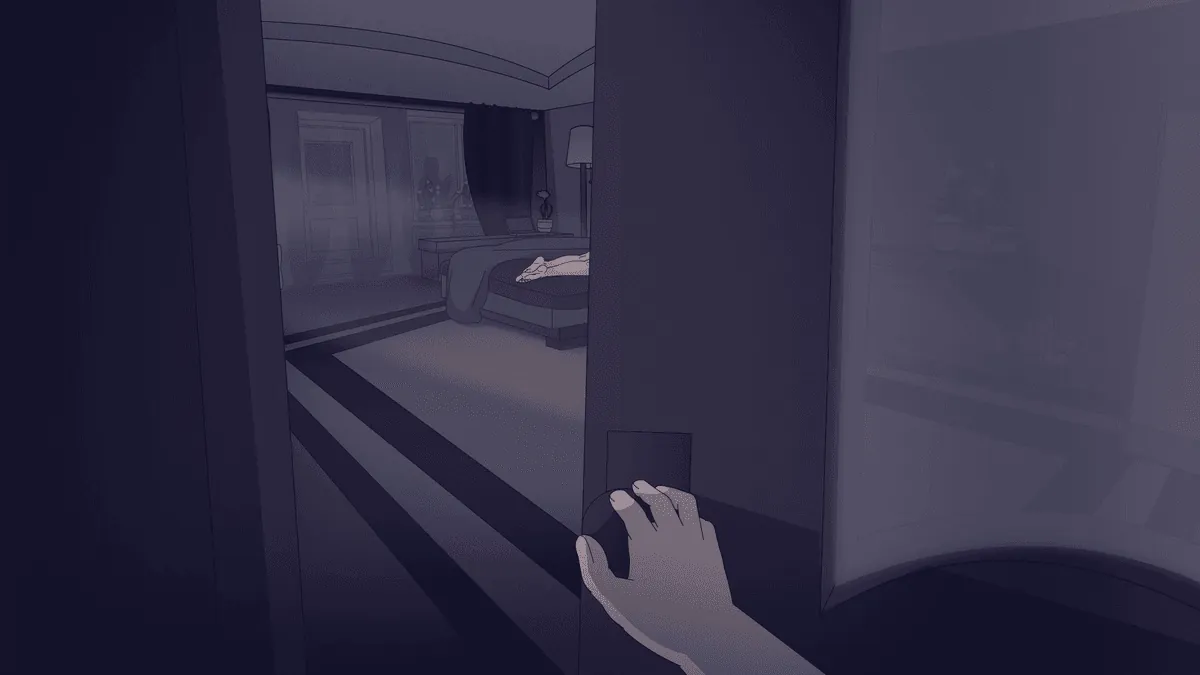
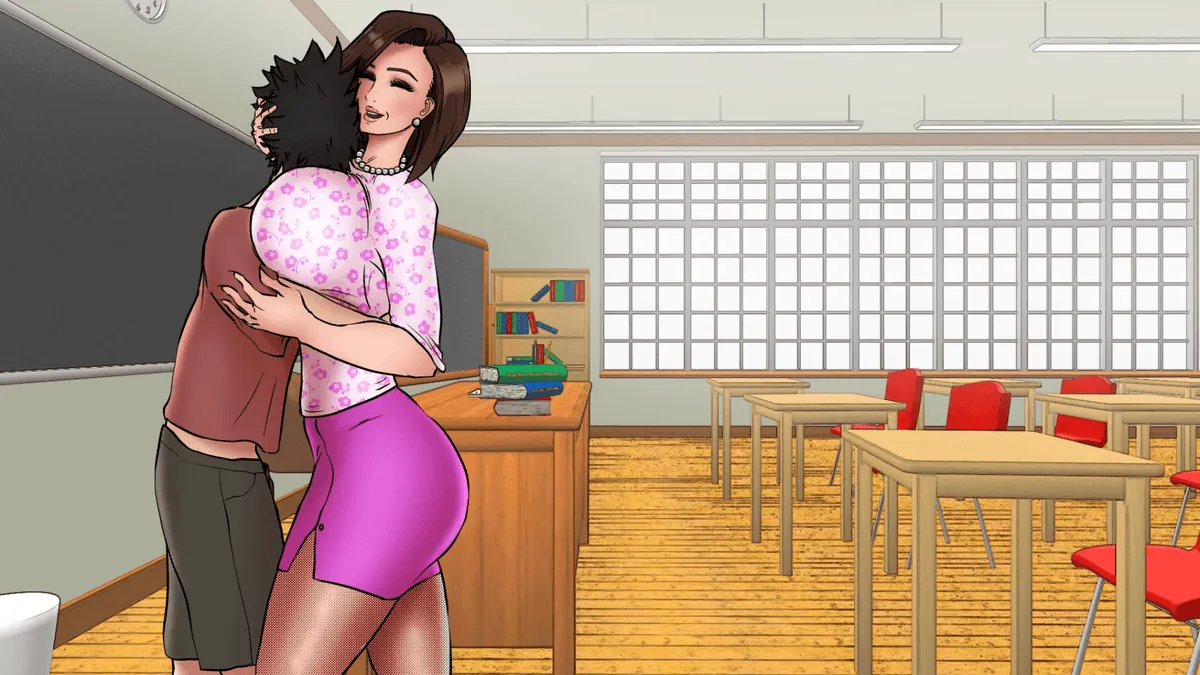
Deviant Anomalies Screenshots



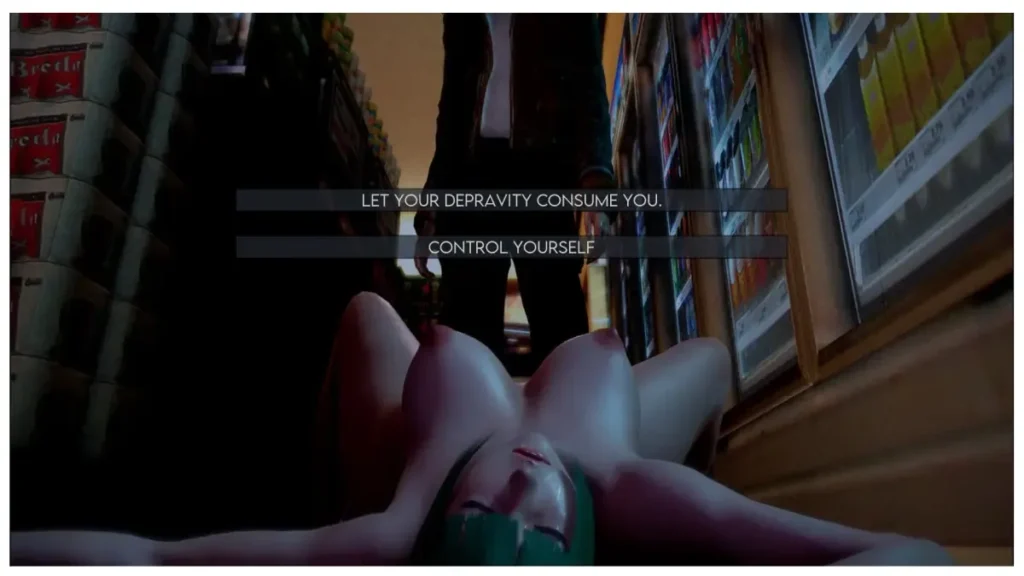
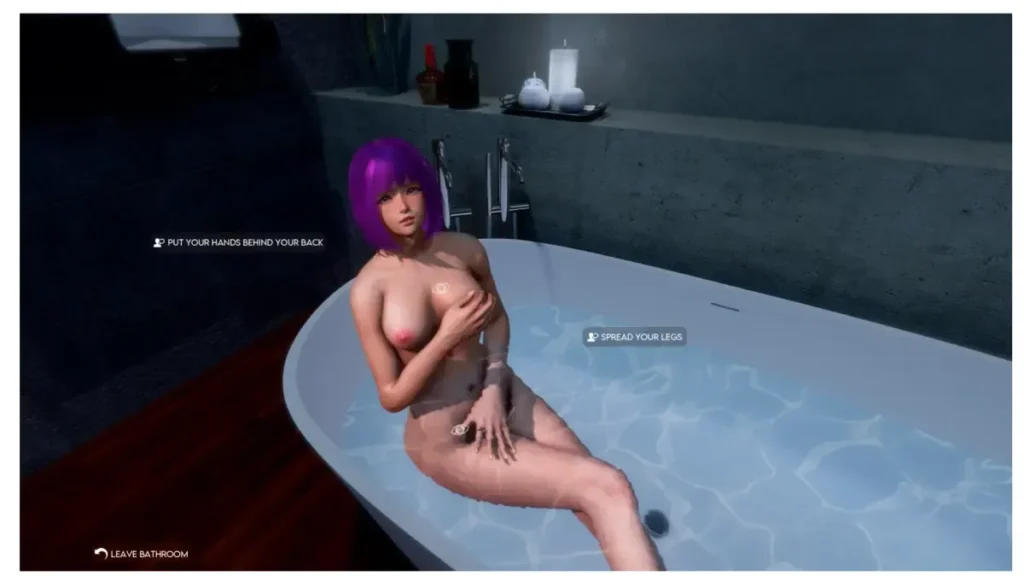


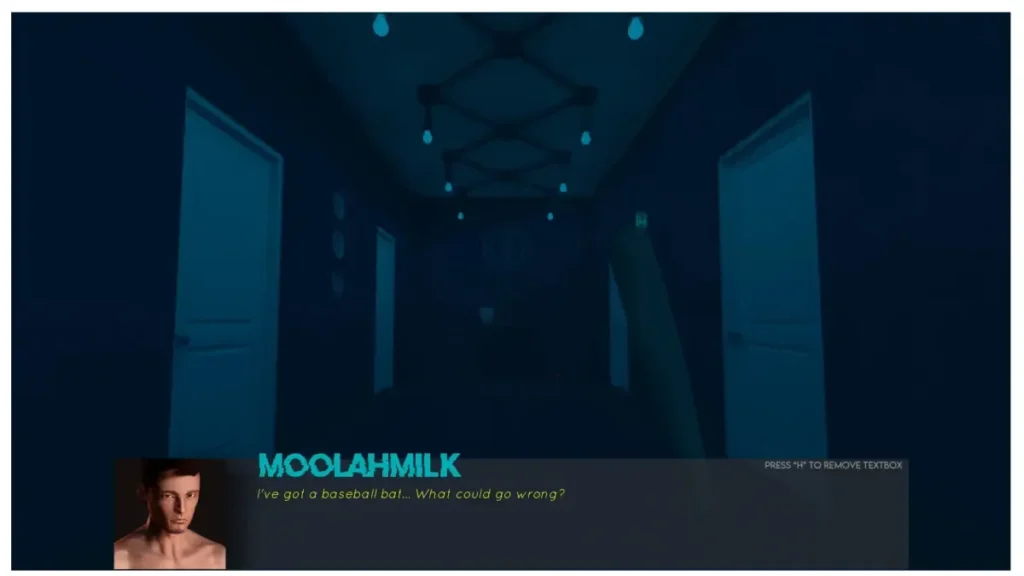
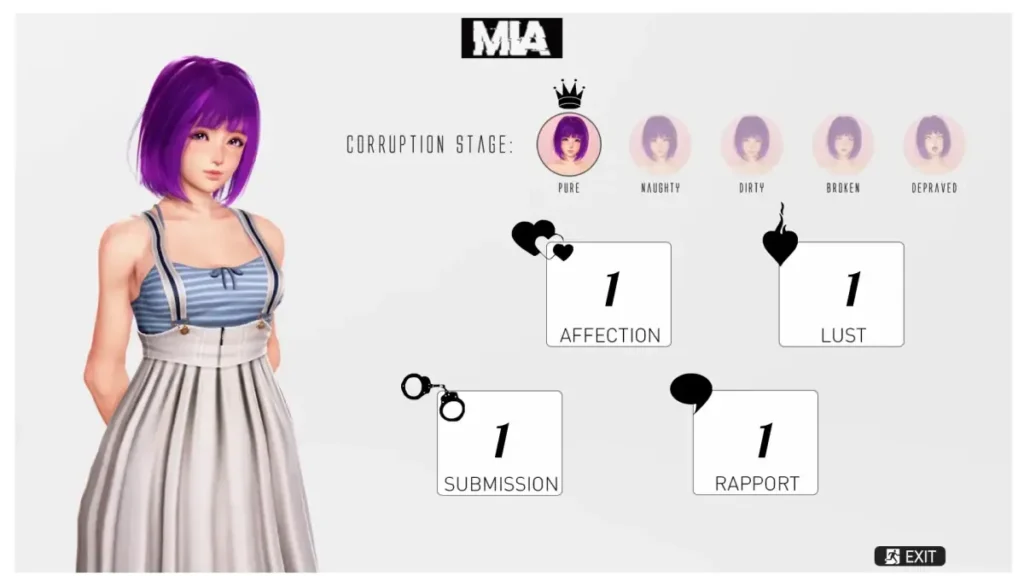












Deviant Anomalies review
Dive into Supernatural Mysteries and Thrilling Quests
Imagine a mysterious snowstorm hitting Netherhelm, unleashing supernatural chaos that flips your world upside down. That’s the gripping hook of Deviant Anomalies, the visual novel where you step into the shoes of a rookie detective with a Criminal Psychology degree, unraveling bizarre cases tied to your parents’ death. Developed by MoolahMilk since 2020, this adventure blends horror, intrigue, romance, and RPG elements with stunning Honey Select-style renders. I’ve sunk hours into it, chasing anomalies and building team bonds—let me share how this game hooked me and tips to master it yourself.
What Makes Deviant Anomalies Stand Out?
I remember the exact moment the Deviant Anomalies story clicked for me. I was playing as our rookie detective, trudging through the perpetually gloomy streets of Netherhelm, thinking this was a standard mystery rookie detective game. Then, the flashback hit. The Netherhelm snowstorm wasn’t just bad weather; it was a supernatural cataclysm that ripped the veil between worlds, claimed my character’s parents, and fundamentally broke the town. That twist changed everything. It transformed the game from a simple whodunit into a deeply personal quest for answers, wrapped in a blanket of eerie, supernatural dread. 🕵️♂️❄️
This is the magic of what is Deviant Anomalies at its core. It’s not just about solving cases; it’s about surviving in a world that’s been permanently altered by forces beyond understanding, all while uncovering the truth buried in your own past.
Unpacking the Core Story and Setting
The premise is brilliantly simple on the surface: you’re a new detective in the troubled town of Netherhelm, tasked with maintaining order after a devastating event. But that event—the Netherhelm snowstorm—is the key to everything. It didn’t just bring snow; it unleashed supernatural anomalies, entities and beings with strange powers that now wander the town, hidden in plain sight or lurking in the shadows.
Your dual goals drive the narrative forward. Publicly, you’re solving bizarre cases that plague the town, which often involve these very anomalies. Privately, you’re piecing together the cryptic circumstances surrounding your parents’ deaths during that fateful storm. Every interview, every clue, and every strange encounter feels like it could be a thread leading to that central, haunting mystery. The town itself is a character, shifting from a seemingly normal, if gloomy, place to a labyrinth of hidden secrets and creeping corruption.
“Anomaly powers grow in those whose minds are more uninhibited.” This line from the developers perfectly captures the game’s central tension. Do you fight the strange forces changing Netherhelm, or do you embrace them to gain the power needed to find your answers?
This blend of professional duty and personal vendetta makes the Deviant Anomalies story incredibly compelling. You’re not just a cop on the beat; you’re a survivor with skin in the game, and every decision feels weighted with personal consequence.
Unique Gameplay Mechanics Explained
So, how does this all play out? The Deviant Anomalies mechanics are a masterclass in blending visual novel storytelling with light RPG and management elements. Forget linear paths; this game gives you a toolbox and a sandbox.
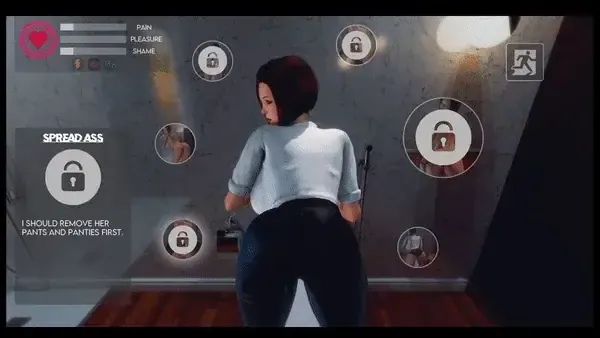
Your home base is the detective’s map of Netherhelm. Progress in the story unlocks new locations, from specific houses to town districts, each brimming with opportunities. Each day, you choose where to go, deciding how to split your time between three key pillars:
- Main Plot Quests: Advancing the central mystery of your parents and the storm.
- Side Cases: Solving smaller, often bizarre incidents around town, which are fantastic for world-building.
- Character Quests: Spending time with the anomalies and residents of Netherhelm to deepen your bonds.
Ah, relationship leveling Deviant Anomalies style. This isn’t about picking dialogue options from a romance path. Relationships grow organically through shared events, choices during cases, and by investing your time. The real genius lies in the RPG stats that govern your interactions:
| Stat | Effect on Gameplay |
|---|---|
| Sensitivity | Unlocks new dialogue and actions with characters. Need to comfort a distressed anomaly? You might need a high Sensitivity to even see the option. |
| Desperation | Influences your willingness to take risks or embrace corrupting influences for power. High Desperation can open doors, but at what cost? |
| Ruin | A creeping meter that tracks your slide into the town’s corruption. Some powerful story beats and endings are locked behind a high Ruin level. |
My first major breakthrough was with Catherine, an anomaly with a haunting presence. I’d hit a wall in her questline until I realized my Sensitivity stat was too low. Grinding it up through other compassionate interactions finally unlocked a tender, pivotal scene that completely changed our dynamic. It’s a system that rewards investment and makes every stat point feel meaningful. 📈💞
Here’s a quick list of the core genres the game expertly blends:
* Adventure: The heart of the game is exploration—unlocking locations, uncovering clues, and making choices that shape your unique story.
* Casual: Don’t let the horror themes fool you. The day-by-day, choose-your-own-path structure is easy to pick up and play in sessions, managing your time and relationships at your own pace.
* Horror: This is the ever-present atmosphere. The horror isn’t always jump-scares; it’s the eerie quiet of a corrupted forest, the unsettling grin of a seemingly friendly anomaly, and the slow-burn dread of the overarching mystery.
The most practical advice I can give? Balance is everything. You can’t just fight the corruption, nor can you blindly embrace it. You need to strategically decide when to raise your Desperation to gain an edge, and when to focus on Sensitivity to connect with someone who might hold a key. It’s a constant, thrilling tightrope walk.
Why the Visuals and Atmosphere Captivate
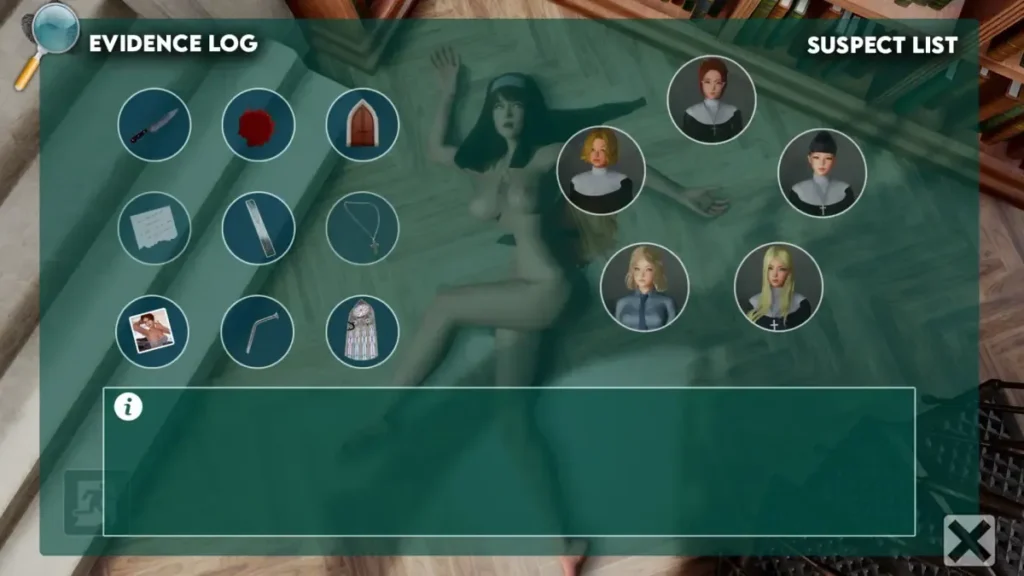
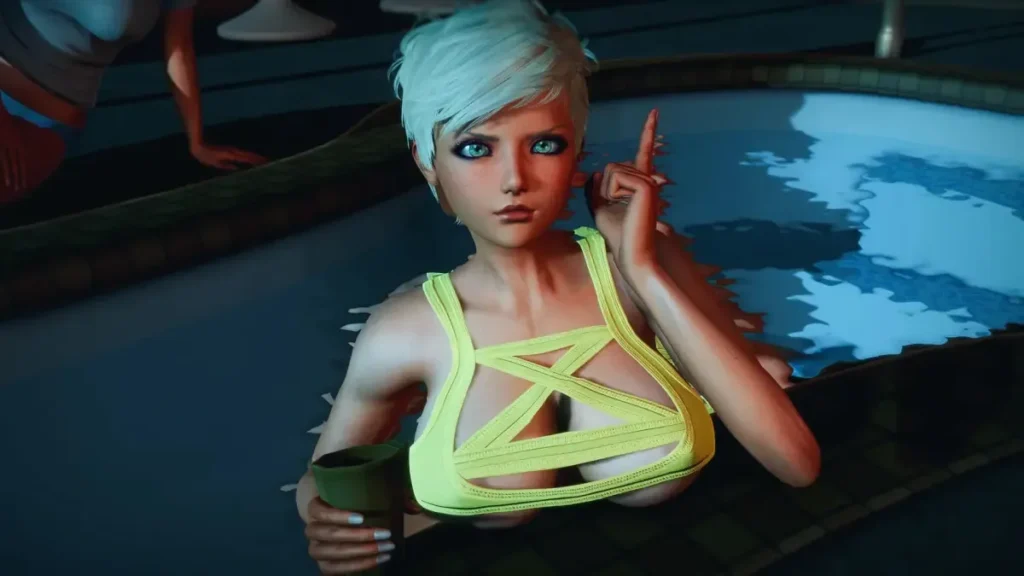
From a technical standpoint, Deviant Anomalies is a triumph of mood over polygon count. The visual presentation is central to its success, creating an atmosphere that is consistently immersive and often deeply unsettling. The renders are meticulously crafted, with lighting doing most of the heavy lifting. The way a sliver of cold light cuts through a dusty attic, or how the neon glow of a bar reflects in a puddle on a rainy Netherhelm street, adds layers of narrative without a word of dialogue. 🎨🌃
The tone is a spectacularly blended cocktail. One moment you’re unraveling a bone-chilling horror scene that had me genuinely pausing the game, the next you’re sharing a darkly humorous exchange with a cynical bartender, and later, you might find yourself in a moment of genuine, tender romance with an anomaly who is more than just their power. This tonal range prevents fatigue and makes the world feel lived-in and real. The eerie “corruption” forces are depicted with brilliant creativity—sometimes beautiful, sometimes monstrous, always unforgettable.
I’ve played other narrative-heavy games in this space, and in my opinion, the structure here is superior. The map-based freedom, the stat-driven interaction, and the dual-layered mystery create a sense of agency that linear visual novels often lack. You’re truly directing the investigation.
I’ll never forget the thrill of successfully recruiting my first major anomaly. It wasn’t just a checkbox on a quest log. It required building trust, solving a problem unique to them, and making a choice that aligned with my detective’s current morals. The payoff wasn’t just a new ally; it was a new, complex relationship to manage and a fresh perspective on the chaos of Netherhelm.
This leads to the final, brilliant piece of the puzzle: replay value. Your choices on where to spend time, which stats to prioritize, and how to handle the creeping corruption don’t just change the ending—they change the entire journey. Will you be a compassionate detective seeking redemption, or a desperate soul using the town’s power for your own ends? The Deviant Anomalies mechanics and rich Deviant Anomalies story are built to support multiple playthroughs, each revealing new facets of the characters and the haunting truth behind the Netherhelm snowstorm. Discovering a completely different side to a character on a second run is a reward in itself. 🔄✨
In the end, what is Deviant Anomalies? It’s a gripping, atmospheric, and intelligently designed experience that stands out by giving you the tools to live your own supernatural detective story. It’s a world where every relationship is a mystery to solve, and every mystery deepens a relationship. If you’re ready to dive into its chilling, captivating depths, Netherhelm is waiting.
From the chilling snowstorm that kicks off Deviant Anomalies to recruiting powerful anomalies and cracking mind-bending quests, this visual novel delivers a rollercoaster of horror, mystery, and steamy intrigue. My late nights solving Maeve’s Lab or the Church enigma showed me why fans rave about its renders and depth. Whether you’re fighting corruption or embracing it, the choices feel real and rewarding. Ready to dive into Netherhelm? Grab the latest update from MoolahMilk’s Patreon, start your detective journey, and share your wildest anomaly encounters in the comments—I’d love to hear your stories!