A Summer’s End – Hong Kong, 1986
Play A Summer’s End – Hong Kong, 1986
A Summer’s End – Hong Kong, 1986 Screenshots






A Summer’s End – Hong Kong, 1986 review
Explore the heartfelt romance and vibrant 1980s visuals in this captivating visual novel
Imagine stumbling upon a chance encounter in the bustling streets of 1986 Hong Kong that sparks a tender romance between two women navigating love, identity, and family pressures. A Summer’s End – Hong Kong, 1986 pulls you into this lush visual novel world with stunning hand-drawn art inspired by 80s anime and city pop vibes. Follow Michelle and Sam’s evolving bond amid neon-lit Mong Kok and serene Sai Kung seascapes. Whether you’re drawn to the emotional depth, interactive choices leading to two endings, or the optional intimate scenes via the adult patch, this game delivers a nostalgic, heartfelt experience. I’ve replayed it multiple times, and each run uncovers new layers of its cultural richness.
What Makes A Summer’s End Hong Kong 1986 Unforgettable?
I remember the first time I loaded up A Summer’s End – Hong Kong, 1986. I was just expecting a pleasant, retro-themed story to unwind with. What I got was a punch to the heart wrapped in neon and synthwave. 😲 By the time the credits rolled, I was completely swept away, emotionally invested in a way I hadn’t been by a game in years. So, what is it about this particular visual novel Hong Kong 1986 that leaves such a lasting mark? It’s the perfect, heartfelt alchemy of its relatable characters, its painstakingly crafted world, and the weight of the choices you make for them. If you’re asking “What is A Summer’s End Hong Kong 1986?” at its core, it’s an experience about finding yourself and your courage in a specific, beautifully rendered moment in time.
This isn’t just a game you play; it’s a place you visit and a relationship you nurture. Let’s dive into exactly what makes it so special.
The Captivating Story of Michelle and Sam
At the heart of everything is the Michelle and Sam romance. This isn’t a fantastical tale of epic proportions, but something far more powerful: a quiet, realistic, and deeply human story about two women navigating uncertain feelings in a society that isn’t quite ready for them.
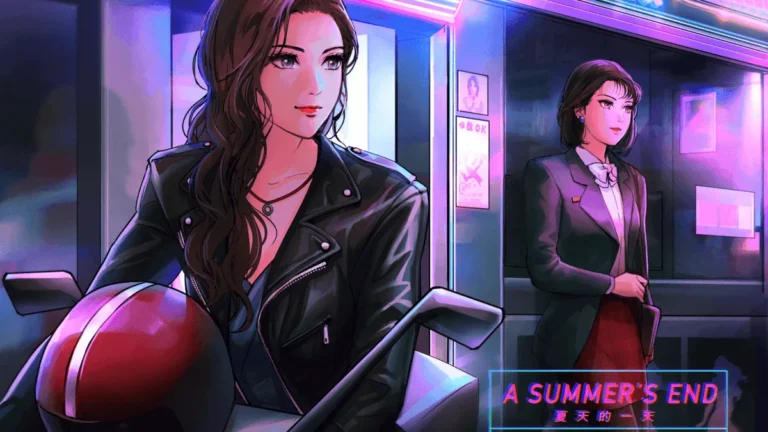
You step into the shoes of Michelle, a young office worker living a conventional life in 1986 Hong Kong. Her world is structured, a bit lonely, and colored by the expectations of her traditional family. Then, by a simple twist of fate, she meets Sam. 😌 Sam is the cool, independent owner of a video rental store—confident, stylish, and seemingly free from the constraints Michelle feels. Their chance meeting sparks a connection that forms the backbone of the entire Hong Kong 1986 visual novel story.
What makes their relationship so compelling is its believable pace and the subtle, often unspoken, tension. The writing masterfully employs an oblique, East Asian style of dialogue where what is not said is just as important as what is. A glance held a moment too long, a carefully worded question, a hesitant touch—these moments build a palpable anxiety and realism that had me leaning into my screen, reading every line with bated breath. You feel Michelle’s internal conflict: the flutter of new attraction battling against ingrained notions of duty and propriety.
The Michelle and Sam romance unfolds against a backdrop of family conflicts and unspoken cultural pressures. The game handles themes of identity and subtle societal judgment with a remarkable lack of melodrama. It presents these challenges as a quiet, persistent background noise to their growing closeness, making every small victory in their relationship feel earned and profoundly satisfying. Their chemistry isn’t forced; it’s built through shared conversations, hesitant confidences, and the simple, joyful act of getting to know someone who truly sees you.
Stunning Visuals and Authentic 1980s Hong Kong Settings
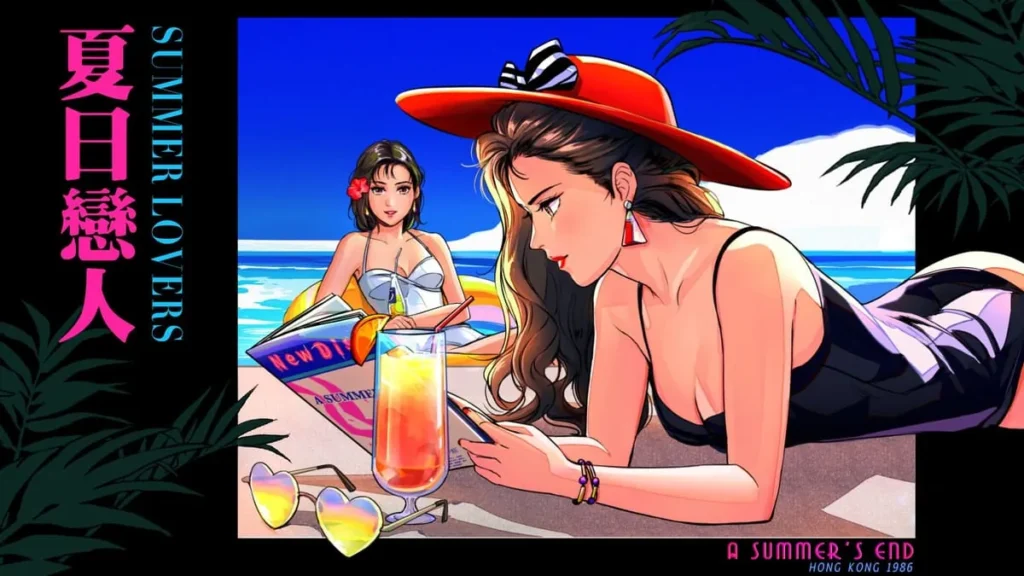
If the story is the heart of A Summer’s End – Hong Kong, 1986, then its visuals are the dazzling, vibrant soul. This game is an absolute love letter to a bygone era. The developers didn’t just create a generic “old” backdrop; they meticulously resurrected the 1986 Hong Kong settings with over 400 hand-drawn assets. 🎨
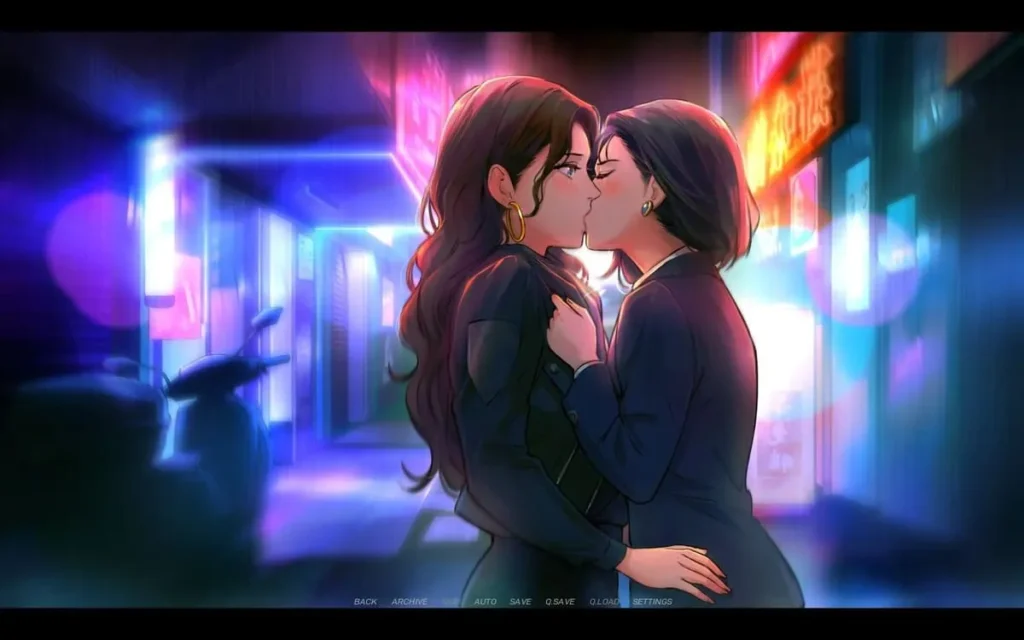
Every scene feels like a living postcard. You’ll wander through the neon-drenched, crowded streets of Mong Kok, the glow of signs reflecting off wet pavement. You’ll share quiet moments overlooking the serene, junk-dotted seascapes of Sai Kung. From the patterned tiles of a classic cha chaan teng (tea restaurant) to the lush greenery of a country park, the environmental storytelling is off the charts. It’s pure scenery porn for anyone nostalgic for the 80s or fascinated by Hong Kong’s unique aesthetic blend.
The art style is a direct homage to 1980s anime and the golden age of Hong Kong cinema. Character designs are sharp and stylish, dripping with retro fashion—think high-waisted jeans, oversized blazers, and perfectly coiffed hair. The color palette is a dreamy mix of muted daytime tones and electrified nighttime hues. This commitment to the 1986 Hong Kong settings does more than just look pretty; it anchors the story firmly in its time and place, making the characters’ struggles and joys feel all the more tangible and real.
And let’s not forget the soundtrack! 🎧 It’s a flawless vaporwave/synthwave mix featuring artists like Timecop1983, Crystal Cola, and Stevia Sphere. The music swells in romantic moments, pulses with city energy, and lays down a cool, nostalgic vibe that perfectly complements the visuals. It’s the kind of soundtrack you find yourself listening to long after you’ve finished the game, just to recapture that specific mood.
Interactive Choices and Multiple Endings Explained
A Summer’s End – Hong Kong, 1986 is not a passive movie. You are actively guiding Michelle through her summer, and your choices carry genuine weight. The game uses a point-based system tied to key decisions, often revolving around confidence, honesty, and openness with Sam. These points quietly accumulate in the background, unlocking crucial bonus scenes that deepen your understanding of the characters and their world.
This all builds towards the pivotal A Summer’s End endings. Your journey can conclude in two primary ways, and the difference between them is profoundly emotional.
- The True Romantic Ending: This is the payoff every player hopes for. By consistently choosing courage over fear, and by being open with Sam, you guide Michelle toward embracing her true feelings. It culminates in a now-iconic scene: a tense, beautiful, rain-soaked confession and kiss that feels incredibly earned. The emotional release here is immense.
- The “Bad” Ending: If Michelle remains too hesitant, too bound by uncertainty and societal pressure, the story takes a sadder, more realistic turn. Paths diverge. It’s not a dramatic “game over,” but a quiet, poignant conclusion where both women move on with their lives, forever wondering “what if.” It’s heartbreaking in its subtlety.
“I got the rainy kiss scene on my first playthrough, and I actually cried. After all that built-up tension and anxiety, seeing Michelle finally be brave… it was one of the most cathartic moments I’ve ever experienced in a game.” – A player’s heartfelt testimonial.
Here’s a quick breakdown of what your choices influence:
| Your Choices Guide… | Key Mechanics | Ending Outcomes |
|---|---|---|
| Michelle’s confidence and honesty. | A hidden point system unlocks bonus, character-deepening scenes. | True Ending: Embrace love and self-acceptance. |
| The depth of her connection with Sam. | Dialogue options that feel natural and consequential. | Bad Ending: Part ways due to hesitation and fear. |
| The narrative’s pivotal turning points. | No traditional “game over”; choices lead to one of two final narratives. | Definitive conclusion based on your overall path. |
My actionable advice? To get the fullest emotional payoff, I highly recommend playing with the official adult patch installed (available on the developer’s itch.io page). This isn’t just about adding mature content; it includes two additional love scenes that are tender, well-written, and importantly, tie directly into the core themes of intimacy, vulnerability, and connection. They feel like a natural and impactful extension of the Michelle and Sam romance, making their final bond even more powerful.
Think of a key scene early on: choosing whether to accept Sam’s invitation to a local restaurant or a Western-style one. It seems simple, but it’s your first major nudge toward embracing the local culture Sam represents or staying in a more familiar, “safe” space. These choices are the fabric of the story.
In the end, A Summer’s End – Hong Kong, 1986 is unforgettable because it is a complete package. It’s a visual and auditory delight for retro enthusiasts 🕶️, a beautifully written story for romance fans, and a nuanced, respectful exploration of personal identity. It understands that the most compelling dramas are often the quiet ones that play out in the human heart, set against a world that feels vividly, wonderfully alive. This visual novel Hong Kong 1986 doesn’t just tell you a story; it makes you feel a part of it, and that’s its greatest magic.
A Summer’s End – Hong Kong, 1986 stands out as a gem in visual novels, blending heartfelt romance, cultural authenticity, and retro aesthetics into an unforgettable journey. From Michelle and Sam’s tender connection to the vibrant 1980s Hong Kong backdrops and choice-driven endings, it masterfully explores love amid uncertainty. My own replays revealed endless depth in its themes and optional intimate moments. If you crave a story that feels real and rewarding, dive in today—grab the game, activate the adult patch for full impact, and let its city pop vibes transport you. Your next favorite romance awaits.